Creating the perfect basement home theater setup is an exciting yet challenging endeavor. Renowned home theater expert, John Doe, emphasizes, "The foundation of a great experience begins with careful planning." This quote encapsulates the essence of what every homeowner should consider when transforming their basement into a cinematic escape.
Selecting the right equipment is crucial. The audio and visual components can make or break your basement home theater. A quality projector and sound system enhance the viewing experience significantly. Additionally, the room's layout and soundproofing need attention. Small details like seating arrangement also play a role in comfort and visibility.
However, many overlook the importance of mood lighting and decor. Balancing function with aesthetics isn’t easy. Some may rush into purchasing high-end gear without fully considering their space's acoustics and dimensions. Reflecting on these factors is essential to avoid common mistakes. A successful basement home theater doesn’t just rely on technology; it thrives on careful design and personal touches.
Choosing the right space for your basement home theater is crucial. Start by assessing the size and shape of the room. A rectangular layout often provides better viewing angles. Ensure there is adequate ceiling height for the screens and speakers you plan to use. You want your audience to feel immersed in the experience.
Next, consider the flooring. Carpet can absorb sound and add comfort, but it may not be ideal for all settings. Think about how it might affect your room’s acoustics. Walls should be painted in darker colors to reduce light reflection. Be cautious with lighting; dimmable options allow you to set the mood without harsh glare.
Ventilation is often overlooked. Stale air can ruin the experience, especially in a smaller room. Think about where your HVAC vents are located. You might need to enhance airflow or consider using a fan. Lastly, think about soundproofing. This can be a trial-and-error process. It may take several attempts to find the right balance for your space.
| Essential Item | Description | Recommended Features | Estimated Cost (USD) |
|---|---|---|---|
| Screen | A large screen for an immersive viewing experience. | 4K resolution, projection type | $500 - $2000 |
| Projector/TV | A high-quality projector or large TV for clear visuals. | Brightness, contrast ratio, size | $300 - $3000 |
| Sound System | Multi-channel audio for optimal sound. | Surround sound, wireless audio | $200 - $2000 |
| Seating | Comfortable seating options for viewers. | Recliners, row seating, cushions | $150 - $1500 |
| Lighting | Adjustable lighting for ambiance. | Dimmable lights, ambient LEDs | $50 - $500 |
| AV Receiver | Central hub for audio and video connections. | Multiple HDMI inputs, streaming capability | $300 - $1500 |
| Cabling | High-quality cables for connectivity. | HDMI, speaker wire, optical cables | $50 - $200 |
| Remote Control | Unified control for all devices. | Programmable, compatible with multiple devices | $20 - $300 |
| Acoustic Treatment | Soundproofing for optimal audio quality. | Panels, bass traps, carpets | $100 - $1000 |

Creating a captivating audio environment for your basement home theater is vital. Start with quality speakers. Look for options that deliver crisp highs and deep lows. Choose a subwoofer that complements your speakers for richer bass. Position them correctly for optimal sound distribution.
Consider adding an AV receiver to manage all audio sources. This device centralizes control and enhances surround sound capabilities. A soundbar can also be a space-saving alternative for those who desire decent sound without the clutter of multiple speakers. Remember, room acoustics play a critical role. Soft furnishings can reduce echoes and improve sound clarity.
Don’t overlook the importance of cables. Quality cables prevent signal loss and ensure the audio performance is top-notch. Experiment with different setups to see what works best for your space. Reflect on your listening experience. Sometimes, the ideal setup requires patience and adjustments to truly achieve an immersive sound journey.
Selecting the right display for your home theater is crucial. A good display enhances your viewing experience. Consider the size of your basement. A large screen can overwhelm a small room. Aim for a balance that complements your space.
Resolution is another vital factor. 4K resolution has become the norm. It provides sharp images and vibrant colors. However, not everyone can notice the difference. Sometimes, a perfect viewing distance makes low-res screens adequate. Also, think about brightness. A bright display is better for well-lit rooms. If your basement has lighting issues, consider projectors or larger screens.
Lastly, don’t forget about viewing angles. Some displays look better from certain positions. Test the viewing angles before purchase. Lighting can also impact the image quality. A dark, controlled environment is ideal. Even after careful consideration, the choice may not feel perfect. Embrace the process, and make adjustments as needed for the best experience.
When setting up a basement home theater, lighting is crucial for creating the right ambiance. Effective lighting enhances the viewing experience and adds a touch of style. Ideally, you want a mix of ambient, task, and accent lighting.
Soft, dimmable lights work well for overall illumination. Consider using wall sconces to project light upward, which creates warmth without harsh glare.
Low-level lighting can guide your guests while keeping the focus on the screen. Strip lights along the floor or behind the screen offer subtle illumination. They create a cozy atmosphere without distracting from the movie.
If you’re keen on a cinematic experience, blackout curtains can enhance the effect. They block outside light, ensuring a vibrant picture.
Pay attention to the color temperature of your bulbs. Warmer tones create a more inviting space. A cooler tone may feel sterile and unwelcoming. Experimenting with different setups is key. Don’t hesitate to adjust the brightness and placement until you find the perfect balance. Remember, lighting is not just functional; it shapes how you feel in the space.
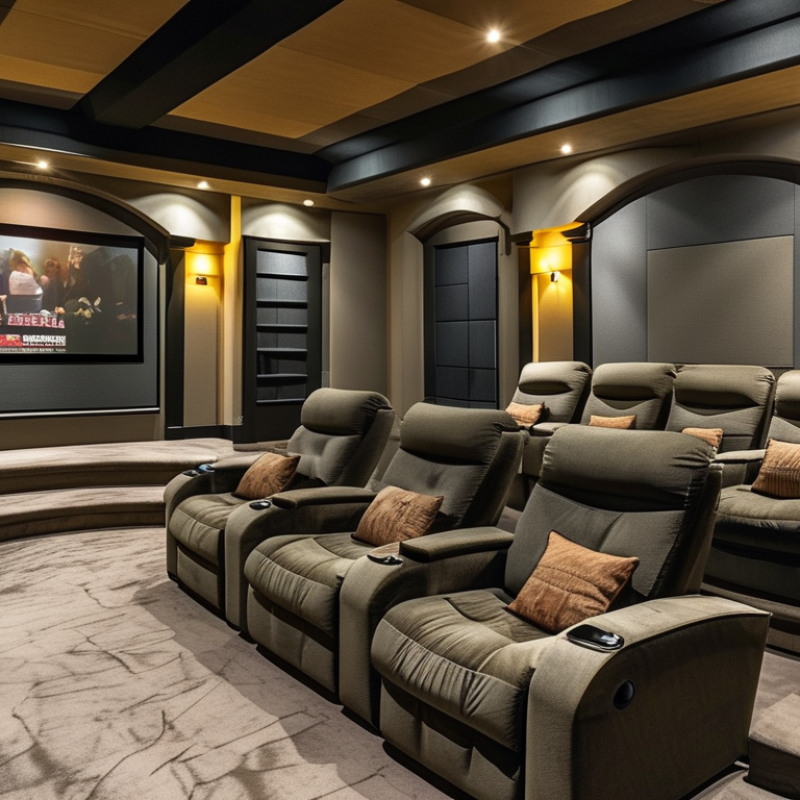
Optimal seating arrangements are crucial for a comfortable basement home theater. According to the Society of Motion Picture and Television Engineers (SMPTE), optimal viewing angles and distance significantly enhance the movie-watching experience. The recommended distance between the screen and the audience is typically 1.5 to 2.5 times the diagonal size of the screen. Therefore, if your screen is 100 inches, viewers should sit between 12.5 and 20 feet away. This spacing helps reduce eye strain while ensuring an immersive experience.
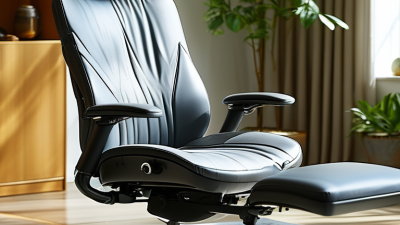
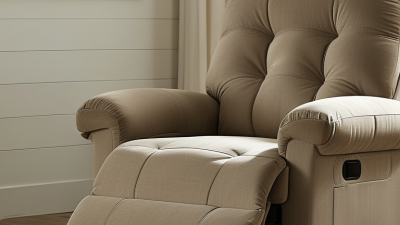
Comfort should not be overlooked. The American Society of Interior Designers (ASID) suggests prioritizing ergonomics in seating choices. Recliners or sofas with lower back support can prevent discomfort during long viewing sessions. The arrangement should also facilitate ease of movement. Aisles should be at least 24 inches wide to allow unobstructed passage, especially considering guests might need to pass during a gripping moment in the film. Ensure there’s enough space between rows, too, ideally around 36 inches, to prevent disruptions.
Lighting can influence seating layout decisions. Dimming lights enhances the theater ambiance, yet it can pose challenges for navigation. Proper lighting design should balance atmosphere and safety. Lack of adequate lighting can lead to accidents, highlighting the importance of reflective surfaces or subtle floor lights. It’s essential to think about how design impacts enjoyment and functionality in your home theater.