Sourcing Wooden Furniture globally in 2026 requires more than comparing factory prices. It demands evidence, patience, and practical judgment. Buyers must examine timber origin, drying methods, joinery, finishes, packaging, and worker conditions. A beautiful oak table can still fail if its moisture content causes cracking after shipment.
Susan Inglis, a recognized sustainable furnishings expert, has said, “There is no such thing as sustainable furniture; there is only furniture that is more sustainable.” This idea should guide every sourcing decision. Certifications can help, but they do not replace factory visits, supplier interviews, and document checks. Ask for current chain-of-custody records, material declarations, test reports, and clear production photographs. Then compare them with the physical sample.
Small details matter. Look beneath the tabletop. Check drawer alignment. Smell the finish. Measure carton strength. A supplier may promise stable quality, yet the second shipment can reveal weaker wood or rushed assembly. That risk is easy to underestimate.
Global sourcing also means planning for changing freight costs, lead times, environmental expectations, and import requirements. Reliable buyers build relationships with several qualified suppliers instead of depending on one factory. They define acceptable defects before production begins and inspect goods before loading.
Mistakes still happen. A digital audit cannot show every hidden knot. A perfect sample may not represent a busy production line. That is why responsible sourcing remains a process, not a single purchase. In 2026, the strongest Wooden Furniture strategy will balance cost, craftsmanship, transparency, durability, and the humility to question attractive promises.
Before contacting suppliers, define your wooden furniture sourcing requirements and global goals. A clear brief should state wood species, moisture range, dimensions, finishes, packaging, and acceptable defects. List required certifications only when they match your market and customer needs. Set target costs, order volumes, delivery windows, and preferred regions. Keep each requirement measurable.
Global goals need numbers, not attractive promises. Set a percentage for responsibly documented timber, lower packaging weight, or reduced shipping distance. Ask suppliers for traceability records, treatment details, and production photographs. Review samples under natural light and inspect joints, edges, drawer movement, and surface consistency. Finish quality can change between samples and mass production. That detail matters.
Use a small pilot order before committing to large volumes. Check packaging damage, color variation, moisture readings, and carton dimensions upon arrival. Compare the results with your original brief. Perfect assumptions fail. One project may reveal that a nearby supplier offers better reliability, even with a higher unit price. Another may show that a cheaper source creates costly rework. Revise the specification when evidence disagrees with your plan. Keep written inspection records and supplier responses for every decision. This makes global sourcing more accountable and easier to improve.
Sourcing wooden furniture globally in 2026 requires market research beyond price lists. The FAO Global Forest Products Facts and Figures 2023 reported nearly 4 billion cubic metres of roundwood production in 2022. That volume hides major differences in species, drying quality, and traceability. Compare demand by region, shipping distance, tariff exposure, and housing activity. A supplier near certified forests may still struggle with kiln capacity. I have seen attractive samples fail after humid-season testing.
Ask suppliers for species names, harvesting regions, moisture readings, and chain-of-custody records. Wood moisture should match the destination climate, not the factory showroom. For indoor furniture, request formaldehyde test results using recognized methods, such as EN 717-1 or ASTM D6007, where applicable. Also check dimensional stability, surface coating performance, and packaging protection. The International Tropical Timber Organization’s market reports repeatedly highlight supply volatility in tropical timber markets. Treat unusually stable prices carefully.
Tips: Build a three-supplier comparison sheet. Record species, grade, moisture range, lead time, minimum order, and test laboratory. Order a small pilot batch before scaling. Photograph hidden joints and measure panel thickness. Do not rely on a certificate alone; verify its scope and validity. A supplier may meet one wood standard but miss your destination’s furniture requirements. Your own inspection process should remain independent, documented, and repeatable.
Sourcing wooden furniture globally in 2026 requires more than comparing prices. Verify each supplier’s legal registration, production address, export history, and financial stability. Request current certificates, but check their issuing bodies and expiration dates. A certificate can be outdated. It should never replace direct evidence.
Ask for wood species, moisture levels, adhesives, finishes, and construction details. Order samples before approving a full shipment. Inspect joints, drawer movement, surface consistency, edge treatment, and packaging strength. A simple moisture meter can reveal problems hidden beneath polished surfaces. Independent inspections should compare approved samples with finished goods. Factory visits, whether physical or virtual, can expose crowded workspaces or weak safety controls. They also show whether production is genuinely in-house.
Ethical sourcing needs equal attention. Review wage practices, working hours, age-verification procedures, waste handling, and timber traceability. Do not accept vague claims such as “sustainable wood” without supporting records. Ask how offcuts are reused and how wastewater is managed. My own checklist once focused heavily on product defects and missed worker welfare evidence. That was a costly oversight. Supplier interviews should include workers when possible, not only managers. Keep written records of every question, document, inspection, and corrective action. Recheck critical information before repeat orders, because conditions can change quickly. Reliability is built through evidence, consistent communication, and the willingness to delay a purchase when answers remain unclear.
How to Source Wooden Furniture Globally in 2026?
Compare Costs, Shipping Options, Duties, and Import Regulations
A reliable sourcing plan begins with the landed cost, not the factory quotation. Compare timber, labor, finishing, packaging, inspection, freight, insurance, duties, and local delivery. A table may cost $180 at origin but exceed $340 after ocean freight, customs charges, and port handling. Request a detailed quotation with currency, production lead time, carton dimensions, and agreed delivery terms. Small details matter.
Shipping choice depends on volume, urgency, and damage risk. Sea freight usually suits container quantities, while consolidated cargo works for smaller orders. Air freight is faster but can destroy your margin. Measure packed furniture, not showroom samples. Check moisture protection, corner guards, and stacking limits before loading. One weak carton can turn a low freight rate into an expensive claim.
Import rules require careful verification with customs authorities and licensed brokers. Confirm the correct tariff classification, country-of-origin marking, commercial invoice, packing list, and bill of lading. Solid wood packaging may require treatment or certification under applicable quarantine rules. Some markets also regulate timber legality, chemical finishes, formaldehyde emissions, or fire performance. Requirements can change. Do not trust an old spreadsheet. I would also budget for inspections and unexpected storage fees, because “door-to-door” quotations sometimes exclude destination charges. A practical file should record every assumption, including who pays duties and when responsibility transfers.
Indicative comparison for commercially produced wooden furniture, using an approximately 0.8 m³ consolidated shipment and standard, non-upholstered products. Costs are shown in USD and should be confirmed against the exact HS code, wood species, origin, destination, order volume, and current customs quotation.
| Source Region | Typical Product Positioning | Indicative FOB Cost per 0.8 m³ Order | Recommended Shipping Option | Indicative Freight Cost per 0.8 m³ | Typical Transit Time | Common Destination | Indicative Duty Treatment for Wooden Furniture | Typical Import Taxes and Fees | Key Wood-Related Import Requirements | Main Commercial Risks |
|---|---|---|---|---|---|---|---|---|---|---|
| Vietnam | Competitive solid rubberwood, acacia, bamboo, and mixed-wood furniture; strong export manufacturing capacity. | $220–$520 | LCL ocean freight FCL for 20+ m³ | $140–$360 | 25–40 days by ocean | United States | Many wooden-furniture tariff lines under HTS 9403.60 may have a 0% base rate; additional origin-specific measures can apply. | State and local sales taxes are generally collected separately. Customs brokerage, port, examination, and merchandise-processing fees may apply. | Wood species and scientific names may be required. Lacey Act declarations can apply to imported wood and wooden products; plant-health rules may apply to solid wood packaging. | Moisture variation, container delays, origin-specific trade measures, and documentation inconsistencies. |
| China | Broadest supplier base, extensive finishing and hardware options, and efficient high-volume production. | $180–$460 | LCL ocean freight FCL ocean freight | $150–$390 | 25–45 days by ocean | United States | Base HTS treatment varies by exact product. Certain China-origin lines may face additional trade measures beyond the normal duty rate. | Customs fees, port charges, brokerage, and domestic sales tax may apply. Landed cost should be modeled using the exact HTS classification. | Lacey Act declaration may apply. Product descriptions should identify wood species, country of harvest, and material composition where required. | Tariff-policy changes, longer peak-season lead times, quality variation across factories, and higher inspection exposure. |
| India | Hand-finished mango, sheesham, acacia, and reclaimed-wood styles; suitable for distinctive or small-batch collections. | $250–$650 | LCL ocean freight Air freight for samples | $170–$430 | 30–50 days by ocean | United Kingdom | Many wooden-furniture lines can be 0% under the UK tariff, but the exact commodity code and any preferential origin claim must be verified. | UK import VAT is normally payable unless a specific deferment or relief arrangement applies. Clearance, port, and delivery charges are additional. | UK Timber Regulation due-diligence obligations may apply. Reclaimed wood, protected species, and treated packaging require additional documentation or checks. | Inconsistent moisture control, reclaimed-wood traceability gaps, hand-finishing differences, and longer consolidation times. |
| Indonesia | Strong capability in teak, mahogany, rattan, and outdoor furniture; good fit for natural and resort-style designs. | $280–$720 | FCL ocean freight LCL for small orders | $160–$410 | 30–50 days by ocean | European Union | EU Common Customs Tariff treatment for wooden furniture is commonly low and may be 0% on some lines; exact CN/TARIC classification is required. | Import VAT is charged at the destination-country rate. Customs valuation, brokerage, port handling, and delivery fees are separate. | EUDR due diligence may apply to wood furniture: geolocation of plots, harvest legality evidence, species information, and a risk assessment may be required. | Illegal-logging documentation risk, species substitution, high humidity, fumigation issues, and seasonal port congestion. |
| Poland and Central Europe | Efficient engineered-board and solid-wood production, shorter lead times, and strong EU-market replenishment capability. | $360–$900 | Road groupage Full truckload | $180–$520 | 2–7 days within the EU | European Union | No customs duty applies to qualifying goods moving between EU Member States. VAT accounting depends on the buyer’s tax status and transaction structure. | Domestic or intra-EU VAT rules apply. Transport, unloading, pallet, and warehouse charges may be included or billed separately. | EUDR obligations may apply to relevant wood products. Product safety, chemical restrictions, formaldehyde limits, and packaging requirements must also be assessed. | Higher factory-gate pricing, capacity constraints, energy-cost changes, and limited availability for very small custom orders. |
| Turkey | Competitive upholstered and wooden furniture production with relatively short delivery routes to Europe and the Middle East. | $280–$680 | Road freight Short-sea freight | $160–$440 | 7–20 days to nearby European markets | European Union | Duty depends on the exact CN code and origin documentation. Preferential treatment may be available for qualifying goods under the EU–Türkiye customs framework. | Import VAT and any customs-processing charges depend on the destination Member State and transaction structure. | EUDR traceability may apply where wood is covered. Product composition, formaldehyde emissions, packaging, and chemical compliance should be documented. | Origin-proof errors, border congestion, currency volatility, and variable finishing quality between suppliers. |
| Mexico | Useful for North American replenishment, pine and hardwood furniture, and shorter truck or rail routes to the United States. | $300–$780 | Truck freight Rail freight FCL ocean freight | $120–$380 | 3–12 days by truck or rail | United States | Qualifying goods may receive preferential treatment under the USMCA rules of origin. Non-qualifying goods use the applicable HTS rate. | Brokerage, inspection, inland delivery, and any applicable state or local taxes are additional. | Lacey Act declarations may apply. Solid-wood packaging must comply with applicable pest-treatment standards; species and harvest information should be retained. | Border delays, origin qualification errors, inland transport capacity, and inconsistent packaging protection. |
| Malaysia | Established capability in rubberwood, panel furniture, and flat-pack production with good container utilization. | $220–$540 | LCL ocean freight FCL ocean freight | $150–$390 | 25–45 days by ocean | Australia | A 5% general customs duty commonly applies to many wooden-furniture tariff lines, although concessions or preferential arrangements may reduce the rate. | Australian GST is generally payable on taxable imports. Import processing, quarantine inspection, port, and delivery fees may apply. | Australia’s illegal-logging due-diligence requirements may apply. Timber packaging and pallets must meet biosecurity treatment and cleanliness standards. | Biosecurity holds, moisture damage, packaging-treatment failures, and changes in freight capacity. |
| Brazil | Access to domestic hardwood species and large-scale production; suitable for regional South American sourcing. | $300–$850 | FCL ocean freight Regional road freight | $180–$520 | 25–55 days by ocean | Canada | Many Canadian tariff lines for wooden furniture are duty-free or low-duty, but the exact Canadian tariff item and origin rules must be checked. | GST/HST or applicable provincial tax, customs brokerage, port handling, and inland delivery charges may apply. | Species and legality records should be retained. Lacey Act rules do not apply in Canada, but Canadian import, plant-health, and packaging requirements still apply. | Long inland distances, export-document delays, protected-species risk, and limited small-order consolidation options. |
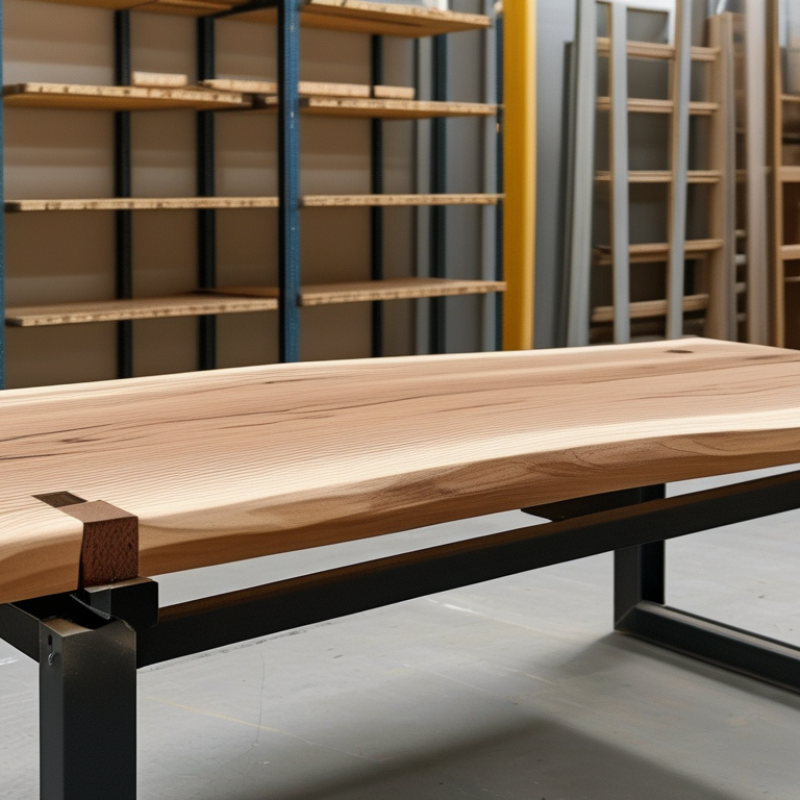
Global wooden furniture sourcing in 2026 requires disciplined coordination from the first sample to final delivery. Sampling should begin with a clear technical sheet, not only attractive photographs. Request full-size samples when joints, curves, or surface finishes affect performance. Record wood species, moisture content, dimensions, color tolerance, hardware, and packaging details. A sample can still deceive. Lighting and humidity may change its appearance.
Contracts should define approved materials, production milestones, inspection rights, defect tolerances, replacement duties, and payment stages. Include responsible timber documentation and export paperwork where required. Keep every revision dated and signed by both parties. A vague clause can create an expensive argument later. My process is not flawless; early measurements are sometimes incomplete, so I review them after each sample round.
Quality control should happen before production, during manufacturing, and before loading. Inspect joint strength, panel warping, finish consistency, odor, carton protection, and product dimensions. Use calibrated moisture meters and photo records with visible measuring tools. An independent inspection can add useful distance. Do not rely on one final visit. For delivery, confirm carton counts, pallet marks, loading photos, shipping documents, and destination requirements. Allow buffer time for port delays and seasonal weather. A perfect product can still arrive damaged if the inner protection is weak.
Average working days required to manage sampling, contracts, quality control, and final delivery.
Sampling and international delivery typically require the most time. Clear product specifications, approved samples, milestone-based contracts, pre-shipment inspections, and early freight planning can reduce avoidable delays.