Best Wall Back Splash from China for Modern Kitchens?
A Wall Back Splash can change how a modern kitchen feels, but it also faces steam, oil, splashes, and daily wiping. Choosing one from China means looking beyond a product photo. Check the tile or panel material, surface finish, dimensions, edge details, and installation guidance. Ask for current product specifications and samples. A glossy sample may look bright under showroom lights, yet show fingerprints beside a real cooktop. Small details matter.
The broader tile market offers useful context. Grand View Research valued the global ceramic tiles market at approximately US$227.9 billion in 2023 and projected continued growth through 2030. This figure covers many uses, not backsplashes alone. It signals a large, competitive supply chain, but it does not prove that any particular factory meets your needs. Verify claims with technical sheets, sample checks, and clear quality-control records. Charles Eames, the influential industrial designer, captured the design principle well: “The details are not the details. They make the design.” For a backsplash, grout width and corner finishing are not minor choices.
This guide compares popular Chinese backsplash options for modern kitchens, including ceramic tile, porcelain, glass, and stone-look surfaces. It considers appearance, maintenance, durability, and sourcing questions. Some comparisons are imperfect: lighting, installation skill, and cooking habits change real-world results. That is worth remembering. A beautiful wall can still be frustrating to clean. The best choice balances visual impact with everyday use—and depends on the kitchen, not just the catalogue.
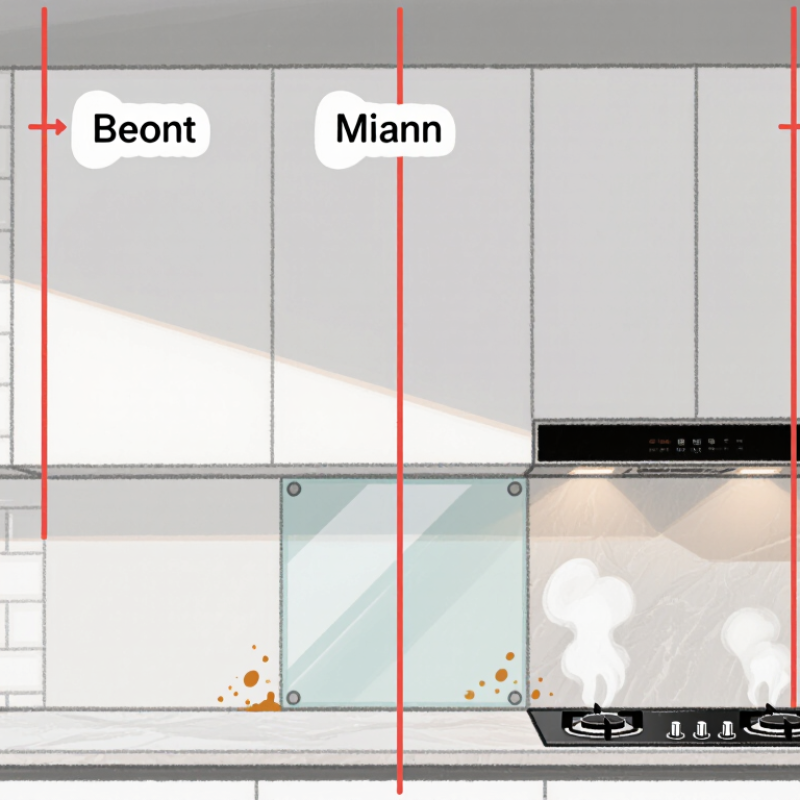
What Defines a Modern Kitchen Backsplash Made in China
A modern kitchen backsplash made in China is defined less by its country of origin than by its materials, finish, and fit. Many options use ceramic or porcelain tile, while some kitchens suit large-format panels with fewer visible grout lines. Matte white, warm gray, and soft stone patterns work well with flat-front cabinets. Clean edges matter. Ask about tile dimensions, shade variation, and surface cleaning before choosing.
In practice, a sample can reveal details a product photo hides: a slight color shift, uneven glaze, or a sharper-than-expected reflection under task lighting. Small details matter. Check whether the supplier provides clear specifications for thickness and water absorption, then confirm the installer can accommodate the chosen format. Not always. A glossy surface may brighten a dim corner, but it can also show splashes and fingerprints more readily. For a balanced result, compare samples beside your countertop and cabinet finish in both daylight and evening light. A modern look should feel calm, but perfect uniformity is not always the most practical choice.
Common Chinese Backsplash Materials and Their Properties
Common Chinese Backsplash Materials and Their Properties
Porcelain tile is a practical choice for busy kitchens. Under ISO 13006, porcelain tile has water absorption of 0.5% or less, a useful benchmark for splash zones near sinks. It resists staining when properly installed, and grout lines can be kept narrow. Ceramic tile offers more shapes and glazes, often at a lower cost, but its body may absorb more water. Check the tile’s technical sheet, not just its glossy surface. Looks can mislead.
Sintered stone creates a cleaner, slab-like appearance with fewer joints. Its performance depends on the product and fabrication, so ask for test results covering water absorption, heat, and scratch resistance. Natural stone, including marble and granite, brings real variation: veining, pores, and color shifts make every panel different. The Natural Stone Institute recommends reviewing stone-specific technical data, since properties vary by type and finish. Sealant may help, but it does not make every stone maintenance-free.
Glass tile reflects light across a narrow galley kitchen, yet its finish can show fingerprints and water spots. For any material, request test documentation from the supplier and confirm that the installer uses compatible adhesive and grout. ASTM C373 is a recognized method for measuring tile water absorption. One detail is easy to overlook: a beautiful sample may behave differently beside a hot hob or a frequently used sink. Test the whole setup, not just the swatch.
Styles and Finishes for Contemporary Kitchen Walls
Contemporary kitchen walls look best when the backsplash supports the room rather than competing with it. Chinese-made ceramic and porcelain tiles offer options from slim subway shapes to large, quiet panels. A soft white or warm gray finish can brighten a compact kitchen. Matte surfaces feel calm and hide small water marks, though textured finishes may need more careful cleaning. Gloss catches window light. Sometimes, too much.
For a subtle focal point, consider handmade-look tiles with gently varied edges or muted green and blue glazes. Their irregularity adds character, but grout lines can make a small wall feel busy. Large-format porcelain creates a cleaner appearance with fewer joints; check the wall’s flatness before choosing it. Finishes also change under different lighting. A sample that looks warm in a showroom may appear cool beside a north-facing window, so view samples at home. Check the product’s technical sheet for intended wall use, cleaning guidance, and heat suitability near a cooktop. Small details matter. I would not choose a finish from a photograph alone; grout color, edge profiles, and installation quality can shift the result more than expected.
How to Assess Quality, Safety, and Supplier Credentials
A backsplash sample should look good under real kitchen light, not only in a showroom. Check the surface for pinholes, uneven glaze, chipped corners, and color shifts between pieces. Run a fingertip along the edges; rough cuts can complicate installation and cleaning. Ask whether the sample comes from the same production process as the order. A small sample may not show batch variation.
Safety needs paperwork, not reassurance. Request current test reports for the exact material and finish, and confirm which product codes they cover. Depending on the intended use and destination, ask about emissions, chemical composition, and resistance to heat or household cleaners. Verify reports with the issuing laboratory when possible. Names and requirements vary by market. No checklist catches everything.
Supplier credentials matter as much as the tile. Ask for a registered company address, production details, quality-control records, and references for comparable export orders. A video call can show equipment and packing areas, but it cannot prove consistent output. Request dated photos of packed goods and written replacement terms for transit damage or defects. Keep specifications, tolerances, and color expectations in the purchase documents. I would not rely on a glossy catalogue alone; it is an easy detail to miss.
Choosing and Installing the Right Backsplash for Your Kitchen
Choosing a kitchen backsplash starts with how the wall is used. Near a sink, smooth porcelain or glazed ceramic is easier to wipe than deeply textured tile. Behind a cooktop, check the tile and adhesive instructions for heat suitability. A beautiful surface is not automatically a practical one.
When comparing tiles made in China, request a physical sample and check its size, finish, and shade in your kitchen’s lighting. Batch variation can be noticeable across a large wall. Measure the area twice, then add extra tile for cuts and future repairs. Small details matter. A pale grout may brighten a compact kitchen, but it can show cooking stains sooner. Dark grout is not maintenance-free either.
Before installation, make sure the wall is sound, clean, and flat. Plan the layout around outlets and visible edges, rather than leaving narrow slivers of tile at the corners. Use a suitable adhesive and grout, following their product instructions and local installation guidance. Let the adhesive cure before grouting, and seal only where the tile or grout manufacturer recommends it. I would not skip a dry layout; it feels slow, but correcting an awkward cut after setting the tile is worse. Keep a few spare pieces, especially if the finish has natural-looking variation.