| Product Classification |
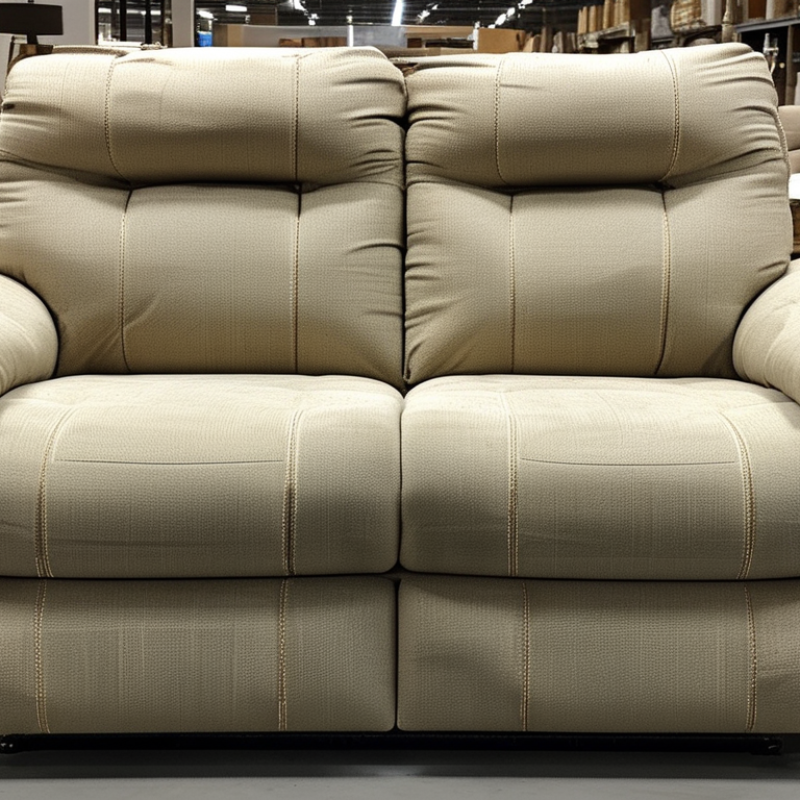
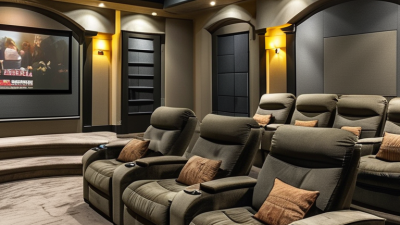
Confirm whether the sofa is a manual recliner, power recliner, wall-hugger recliner, lift recliner, or modular recliner. |
Technical data sheet, product drawings, mechanism description, and operating instructions. |
Operate every seat position on the approval sample and compare the actual configuration with the quotation. |
Configuration, seat count, reclining functions, cupholders, storage compartments, and control layout match the approved specification. |
Required |
| Key Dimensions |
Record overall width, depth, height, seat width, seat depth, seat height, reclined depth, and wall clearance. |
Dimensioned drawing with measurement tolerances. |
Measure the first sample using a calibrated steel tape and verify clearances in both upright and fully reclined positions. |
Measured dimensions remain within the agreed tolerance, commonly ±5 mm for major external dimensions unless otherwise specified. |
Required |
| Frame Construction |
Use kiln-dried hardwood, engineered wood, or a documented combination suitable for upholstered seating. |
Frame material declaration, construction drawings, joinery details, and internal photographs. |
Inspect accessible frame areas for cracked timber, loose joints, exposed sharp edges, and inadequate reinforcement. |
No structural movement, sharp edges, visible splitting, or loose joints under normal use. |
Required |
| Reclining Mechanism |
Specify mechanism type, load rating, cycle expectation, noise limit, and replacement-part availability. |
Mechanism supplier documentation, load data, warranty terms, and spare-parts list. |
Complete repeated open-and-close cycles on each seat and listen for abnormal noise, binding, or uneven movement. |
Smooth operation without binding, excessive noise, exposed pinch points, or unintended movement. |
Required |
| Power System |
For powered models, define rated input voltage, frequency, plug type, adapter or motor specifications, and cable routing. |
Electrical rating label, adapter documentation, wiring diagram, and applicable test reports. |
Check plug compatibility for the destination market and inspect cables for strain relief, abrasion protection, and secure connections. |
Electrical ratings match the destination market; cables are protected and no live parts are accessible during normal use. |
If Powered |
| Upholstery Material |
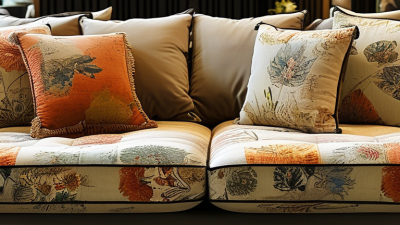
Define leather, bonded leather, polyurethane, polyester, microfiber, or other fabric composition and performance requirements. |
Material specification, composition declaration, color swatch, and physical test reports where applicable. |
Compare grain, color, hand feel, seam appearance, odor, coating uniformity, and resistance to surface scratching. |
Material composition and color remain consistent with the approved swatch; no peeling, severe odor, or visible coating defects. |
Required |
| Cushion Performance |
Specify foam type, density, hardness range, resiliency, seat construction, and cushion recovery requirements. |
Foam specification, supplier declaration, compression test results, and cushion construction details. |
Measure cushion thickness and inspect recovery after repeated compression; check for uneven filling or premature sagging. |
Seat cushions recover evenly, show no permanent visible deformation after testing, and meet the approved comfort specification. |
Required |
| Cupholder and Console Safety |
Ensure cupholders are stable, easy to clean, securely attached, and positioned away from moving pinch points. |
Component drawings, material declaration, and installation details. |
Apply light lateral force, place typical drink containers, inspect edges, and operate the recliner beside the cupholder. |
No wobbling, sharp edges, detachment, liquid-trapping defects, or interference with the reclining mechanism. |
Required |
| Flammability Compliance |
Identify the legal flammability requirements of the destination country and the materials covered by the regulation. |
Current laboratory reports, material composition records, and compliance declaration for the finished product or relevant components. |
Confirm that the tested upholstery, foam, barrier materials, and construction match the production specification. |
Reports are issued by a competent laboratory, within the required validity period, and applicable to the exact material and construction. |
Required |
| Chemical Safety |
Screen upholstery, foam, adhesives, coatings, plastics, and metal parts for restricted substances required by the destination market. |
Restricted-substance test reports, material declarations, safety data sheets, and supplier compliance statements. |
Verify material batch traceability and compare production materials with the tested samples. |
No restricted substance exceeds the applicable legal or buyer-defined limit; documentation is traceable to the supplied materials. |
Required |
| Mechanical Testing |
Evaluate stability, static load, durability, strength of seating components, and operation of the reclining system. |
Test plan referencing the applicable furniture standard or buyer specification, plus laboratory results. |
Use an independent laboratory or qualified in-house facility; witness critical tests when order value justifies it. |
No frame breakage, hazardous instability, mechanism failure, or loss of basic function after the agreed test sequence. |
Required |
| Electrical Safety Testing |
For powered products, assess electrical shock protection, abnormal operation, temperature rise, insulation, and accessible parts. |
Applicable electrical safety test report, component certificates, wiring diagram, and inspection records. |
Check grounding or double-insulation design, motor housing, power adapter, hand control, and cable routing. |
Product complies with the electrical safety requirements applicable to the destination market and declared voltage. |
If Powered |
| Management System |
Prefer a documented quality management system with controlled purchasing, inspection, corrective action, and production records. |
Current ISO 9001 certificate, scope, issuing body details, audit records, and internal quality procedures. |
Confirm that the certificate scope covers furniture or relevant manufacturing activities and that the site address matches the factory. |
Certificate is current, verifiable, and issued for the actual production site; procedures are implemented rather than paper-only. |
Recommended |
| Social and Ethical Compliance |
Assess working hours, wages, worker safety, forced-labor risk, child-labor controls, and grievance procedures. |
Recent social-audit report, corrective-action plan, worker policy, and production-site records. |
Conduct an announced or semi-announced audit with worker interviews and document review. |
No critical findings involving forced labor, child labor, serious safety risks, or falsified records. |
Recommended |
| Factory Capability |
Verify upholstery, frame assembly, mechanism installation, electrical assembly, testing, and packaging capabilities at the same site. |
Factory profile, process flow chart, equipment list, staffing information, and production capacity data. |
Conduct a virtual or on-site factory audit and trace one product from incoming materials to final packing. |
Core production processes are controlled in-house or through documented, approved subcontractors with traceability. |
Required |
| Material Traceability |
Assign batch or lot identification to upholstery, foam, mechanisms, motors, electrical parts, and packaging materials. |
Incoming inspection records, supplier list, batch labels, and production traceability forms. |
Select a finished unit and trace its key components backward to purchase and inspection records. |
Critical components can be traced to supplier, batch, inspection result, and production date. |
Recommended |
| Prototype Sample |
Request a fully functional sample built with the intended materials, hardware, mechanism, electrical components, and packaging method. |
Sample approval form, signed specification, approved color swatches, and revision-controlled drawings. |
Inspect dimensions, comfort, function, appearance, noise, cable routing, cupholder fit, and carton protection. |
Only the signed and dated sample or specification may be used as the production reference standard. |
Required |
| Pre-Production Sample |
Approve a sample made from mass-production materials before bulk manufacturing begins. |
Pre-production sample report, material batch information, and approved deviation list. |
Compare the sample with the prototype and verify that production tooling, sewing patterns, and assembly methods are ready. |
No unapproved changes to materials, dimensions, functions, color, packaging, or safety-related components. |
Required |
| Quality Control Plan |
Define incoming, in-process, and final inspections with sampling levels, defect classifications, and records. |
Quality-control plan, inspection checklist, defect catalogue, calibration records, and corrective-action procedure. |
Review recent inspection records and observe inspectors checking upholstery, dimensions, mechanisms, electrics, and packaging. |
Critical defects are not accepted; major and minor defect limits are agreed before production. |
Required |
| Pre-Shipment Inspection |
Inspect finished goods after production is substantially complete and before shipment release. |
Inspection report with photographs, carton numbers, random sample details, and defect summary. |
Use an independent inspector or qualified buyer representative to conduct visual, functional, dimensional, and packing checks. |
Inspection result meets the agreed AQL or buyer-defined acceptance criteria, with all critical defects rejected. |
Required |
| Packaging and Shipping |
Protect upholstery, recliner mechanisms, electrical parts, corners, and cupholders during handling and long-distance transport. |
Packaging specification, carton dimensions, drop or vibration test results where required, and loading plan. |
Inspect carton strength, internal cushioning, moisture protection, stacking limits, labels, and container loading. |
No exposed metal or mechanism damage, staining, crushing, or functional loss after agreed transport simulation or shipment review. |
Required |
| Warranty and Spare Parts |
Set warranty coverage for frame, upholstery, mechanism, motor, power adapter, hand control, and workmanship separately where appropriate. |
Written warranty policy, spare-parts price list, service response time, and replacement procedure. |
Confirm availability of commonly replaced components and test the supplier’s response to a sample service case. |
Warranty exclusions are clear; critical spare parts are available for the agreed support period. |
Required |
| Supplier Due Diligence |
Verify the legal entity, production address, export capability, ownership of the facility, and any subcontracting arrangements. |
Business registration, factory address, export records where available, bank details, and authorized signatory information. |
Cross-check documents, video location evidence, audit findings, payment details, and the physical production site. |
Company information is consistent across documents; payments are made only to the verified contracting entity. |
Required |
| Final Approval Gate |
Release the order only after specification, sample, compliance documents, inspection plan, packaging, and commercial terms are approved. |
Signed purchase specification, approved sample record, compliance file, inspection plan, and change-control agreement. |
Conduct a final document review before production and record any approved deviations in writing. |
All open critical issues are closed, and no production change is permitted without written approval. |
Required |