10 Best Massage Lift Chairs for Home Use
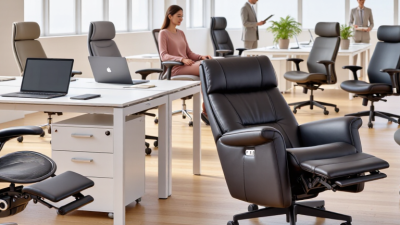
A massage lift chair can make a living room feel more comfortable, but choosing one takes more than comparing massage modes. Seat height, armrest shape, footrest length, and lift movement all affect everyday use. A chair that looks plush in a product photo may feel too deep once you sit down. Small details matter.
Occupational therapist and assistive-technology researcher Dr. William C. Mann has studied technology that supports older adults’ daily lives. A useful paraphrase of that work is: “A chair should support everyday function, not just comfort.” This is a paraphrase, not a verbatim quotation, and it reflects a broader seating principle rather than a claim about a specific chair. Massage features may feel relaxing, but they should not be treated as medical care.
This guide compares 10 massage lift chairs for home use, with attention to practical details: remote controls, upholstery, recline positions, massage settings, and room clearance. We also consider who may find each design comfortable and where a model’s limits deserve a closer look. No single chair fits everyone. Measure the doorway, check the chair’s dimensions, and think about how easily the controls can be reached. A little awkwardness can matter. The best choice is the one that suits the person, the room, and the daily routine—not simply the one with the longest feature list.
Understanding Massage Lift Chairs and Their Home Uses
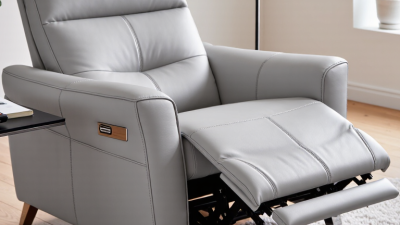
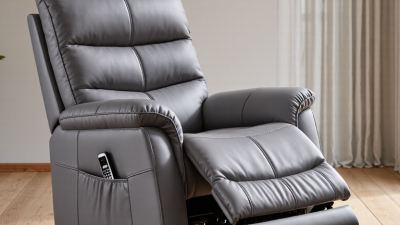
A massage lift chair combines a reclining seat, gentle massage features, and a powered lifting motion. The lift function tilts the seat forward, helping someone move from sitting to standing with less effort. Controls are usually placed on a hand remote, within reach beside the armrest. Massage settings may use vibration or rolling motions. This is a comfort feature, not a medical treatment. A short session can feel pleasant after a long day.
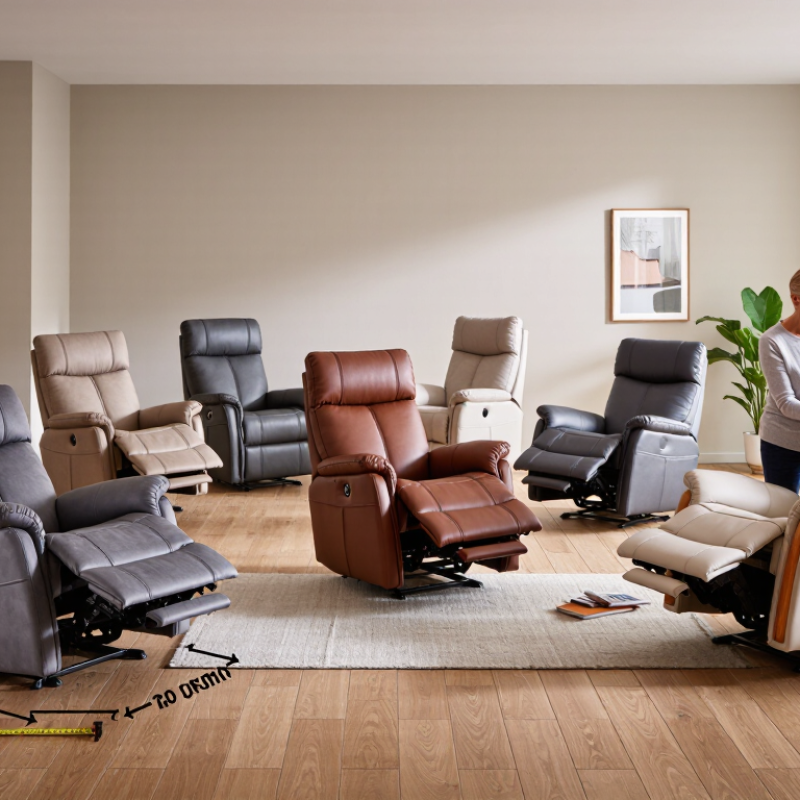
At home, the chair can fit into a living room, bedroom, or quiet reading corner. Leave clear space behind and in front so it can recline and rise safely. Measure doorways, too; delivery day is not the best time to discover a tight turn. Someone who spends long periods seated may value the leg support and easy-to-reach controls. Still, every body responds differently, and stronger massage is not automatically better.
When comparing options, check the seat width, weight capacity, upholstery, and how simple the remote feels to use. Try the chair, if possible, and test its lift motion at a comfortable pace. Notice whether your feet rest naturally and whether the armrests support you. A small detail matters. Keep the chair near a suitable power outlet, and follow the maker’s setup and care instructions. If standing remains difficult or painful, ask a qualified health professional about suitable support.
10 Best Massage Lift Chairs for Home Use - Understanding Massage Lift Chairs and Their Home Uses
| Chair Type |
Massage Features |
Lift and Recline |
Typical Seat Width |
Typical Weight Capacity |
Best Home Use |
| Balanced Three-Position Lift Chair |
Vibration massage in several body zones; some models include lumbar heat |
Assisted standing; upright, reading, and reclined positions |
About 19–22 in |
About 300–350 lb |
Everyday sitting, reading, and occasional relaxation in a living room |
| Infinite-Position Lift Chair |
Multi-zone vibration, often with selectable intensity and heat |
Independent backrest and footrest adjustment; some models recline nearly flat |
About 19–23 in |
About 300–400 lb |
Users who want a wide choice of resting positions or a nap-friendly recline |
| Wall-Hugger Lift Chair |
Basic vibration massage, usually focused on the back and seat |
Power lift and recline designed to operate close to a wall |
About 19–22 in |
About 300–350 lb |
Smaller rooms where there is limited space behind the chair |
| Petite Lift Chair |
Simple vibration massage; heat may be available in the lower back |
Power-assisted standing and a moderate recline |
About 17–20 in |
About 250–350 lb |
Shorter users who need a seat height and depth that support stable footing |
| Tall-User Lift Chair |
Back and seat vibration; some models offer lumbar heat |
Power lift with a higher back and longer leg support |
About 20–24 in |
About 300–400 lb |
Taller users who need additional back and leg support |
| Wide-Seat Lift Chair |
Vibration massage across the back and seat; features vary by model |
Power lift and recline with a roomier seating area |
About 22–26 in |
About 350–500 lb |
People who prefer extra sitting space; check seat dimensions and capacity carefully |
| Heat-and-Massage Comfort Chair |
Vibration massage paired with gentle warming, commonly around the lumbar area |
Assisted standing and powered reclining |
About 19–23 in |
About 300–400 lb |
Relaxation in cooler rooms; heat settings should be used according to the manual |
| Quiet-Motor Lift Chair |
Usually a straightforward vibration massage with a small number of settings |
Powered lift and recline; motor noise depends on the specific model |
About 19–22 in |
About 300–350 lb |
Shared living spaces where a less distracting operating sound is preferred |
| Compact Apartment Lift Chair |
Basic back or seat vibration; fewer features can keep the design simple |
Space-conscious powered lift and recline; check the chair's open footprint |
About 18–21 in |
About 250–350 lb |
Apartments or smaller rooms where both chair size and recline clearance matter |
| Easy-Clean Lift Chair |
Vibration massage and optional heat; upholstery and controls vary |
Power lift and recline for assisted transfers and resting |
About 19–23 in |
About 300–400 lb |
Homes where wipe-clean upholstery or simpler day-to-day care is a priority |
Dimensions and weight capacities are typical ranges for these chair categories, not specifications for a particular model. Before buying, confirm the manufacturer's measurements, maximum capacity, recline clearance, control layout, and whether massage and heat functions meet the user's needs.
Key Features to Compare Before Choosing a Chair
A massage lift chair should fit the person and the room, not just look comfortable in a showroom. Measure the doorway, chair footprint, and space needed behind it when reclining. Then compare seat height and depth: feet should rest on the floor, with knees near a right angle. A small detail. The U.S. Centers for Disease Control and Prevention reports that about one in four adults aged 65 and older falls each year. That statistic does not prove a lift chair prevents falls, but it makes stable armrests, a steady lifting motion, and reachable controls worth checking carefully.
Compare the lift mechanism, massage zones, intensity settings, heat controls, and maximum user weight. Ask whether the chair pauses smoothly during lifting, and whether its remote has clear, large buttons. If possible, test it for several minutes; a strong massage can feel uncomfortable against the back or calves. Massage is comfort, not medical treatment. One overlooked trade-off is noise: a motor that sounds quiet in a bright showroom may seem loud in a small living room.
AARP’s 2021 Home and Community Preferences Survey found that 77% of adults aged 50 and older want to remain in their homes as they age. That preference makes everyday usability important: check upholstery care, battery backup, warranty coverage, and the return period. A long feature list is not automatically better. The best comparison is whether the chair fits the user’s body, mobility, and daily routine.
How the Ten Chairs Were Selected and Evaluated
The ten chairs were selected to cover different home needs, not to name one universal winner. We compared published product specifications, instruction manuals, and recurring themes in owner feedback. Key checks included the lift mechanism, massage coverage, control layout, seat dimensions, recline range, and stated weight capacity. We also considered practical details, such as whether a chair could fit through a narrow doorway or leave enough room behind it to recline. Fit matters.
Evaluation focused on how clearly each chair explained its functions and limitations. We looked for straightforward controls, adjustable massage settings, stable movement during lifting, and useful warranty information. Massage strength and comfort are personal, so we did not treat one reviewer's preference as a proven result. A limitation: published information cannot show how every chair feels after months of daily use. Owner feedback can also be uneven, and a quiet motor in one home may sound different in another.
Tips: Measure the doorway, floor space, and distance from the wall before ordering. Check whether the remote is easy to read and reach from a seated position. Ask a clinician about suitability if you have specific mobility or health concerns. Compare the warranty terms carefully; coverage can vary by component.
Ten Massage Lift Chairs for Different Home Needs
A massage lift chair should fit the person and the room, not just look comfortable in a product photo. Compact models suit narrow living rooms, while petite and tall versions can better match leg length and seat depth. Check that feet rest flat and the seat supports the thighs without pressing behind the knees. Small details matter.
Different routines call for different features. A single-motor chair offers simpler controls; a dual-motor design lets the backrest and footrest move more independently. Gentle massage settings may suit people who prefer a lighter sensation, while optional warmth can add comfort on cool evenings. It is not a treatment. Quiet motors may be useful in shared homes, and easy-clean upholstery helps where snacks or pets are part of daily life. Wider seats, firmer cushions, and extra-soft padding address other preferences, though softness can reduce support for some users.
Consider a chair with a straightforward remote if the user has limited hand strength or dislikes complicated buttons. Ask how it operates during a power outage, and measure doorways before delivery. A lift function can assist with standing, but it should not replace advice from a qualified health professional when mobility or balance is a concern. Some choices are compromises. The most feature-rich chair may be too large, and the perfect fit can take a real sit test.
10 Massage Lift Chair Types for Different Home Needs
Representative weight-capacity figures in pounds, based on common advertised capacity tiers. These are general planning examples—not specifications for any particular chair.
Capacity varies by model. Check the manufacturer’s published limit, seat dimensions, and room-clearance requirements before choosing a chair.
Care, Safety, and Maintenance for Everyday Use
10 Best Massage Lift Chairs for Home Use
Everyday comfort depends on more than massage settings. Place the chair on a level floor, with clear space behind and beside it for safe reclining and lifting. Keep cords away from walkways, and check that the outlet and plug are undamaged. Before sitting, make sure the footrest is fully closed. A slow, steady movement is safer than rushing.
Tips: Start with a short session. Use a comfortable intensity. Stop if you feel pain, numbness, dizziness, or unusual discomfort. Ask a healthcare professional whether massage is suitable if you have a medical condition or recent injury.
Care is simple, but easy to forget. Wipe the upholstery with a soft, slightly damp cloth, following the care instructions for its material. Avoid soaking seams or spraying cleaner directly onto controls. Check bolts, cables, and moving parts regularly for looseness or wear. Unplug the chair before cleaning or inspecting it. Keep a small note of unusual sounds; even a quiet click can be worth checking. Routine care cannot prevent every problem, and I might miss a detail during a busy week, so use the manual and contact a qualified repair professional when something seems wrong.