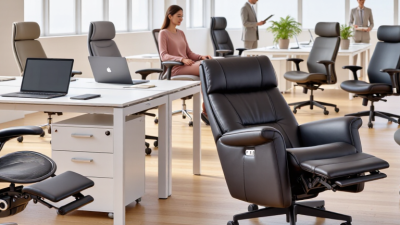
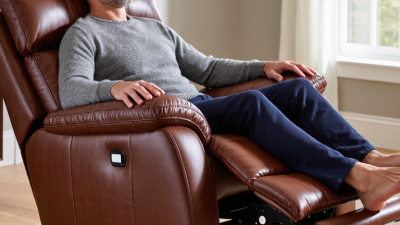
China is an important sourcing base for power lift recliners, with manufacturers serving domestic and international buyers. Their offerings can differ widely. Some focus on compact models for apartments, while others build larger chairs with adjustable headrests, multiple lift positions, or heat and massage features. A polished catalog, however, does not reveal how a chair performs after repeated use.
This guide introduces notable power lift recliner manufacturers in China and the factors worth checking before contacting them. Look beyond product photos. Ask about frame materials, motor configuration, upholstery options, weight capacity, testing procedures, and spare-parts availability. Request clear product specifications and, when practical, a sample or factory audit. Small details matter, such as whether the remote has large, readable buttons and whether the chair fits through a standard doorway. They can shape the user’s everyday experience.
Supplier claims deserve careful review. Manufacturing scale, export history, and quality systems may help inform a decision, but no single label guarantees a suitable product. Compare written specifications, verify relevant certifications for your target market, and confirm warranty terms directly with the supplier. This takes time. It may also reveal gaps in the information provided, which is worth noting rather than overlooking. The manufacturers covered here offer a starting point for research, not a substitute for product evaluation. The right partner depends on your design needs, order volume, service expectations, and intended customers.
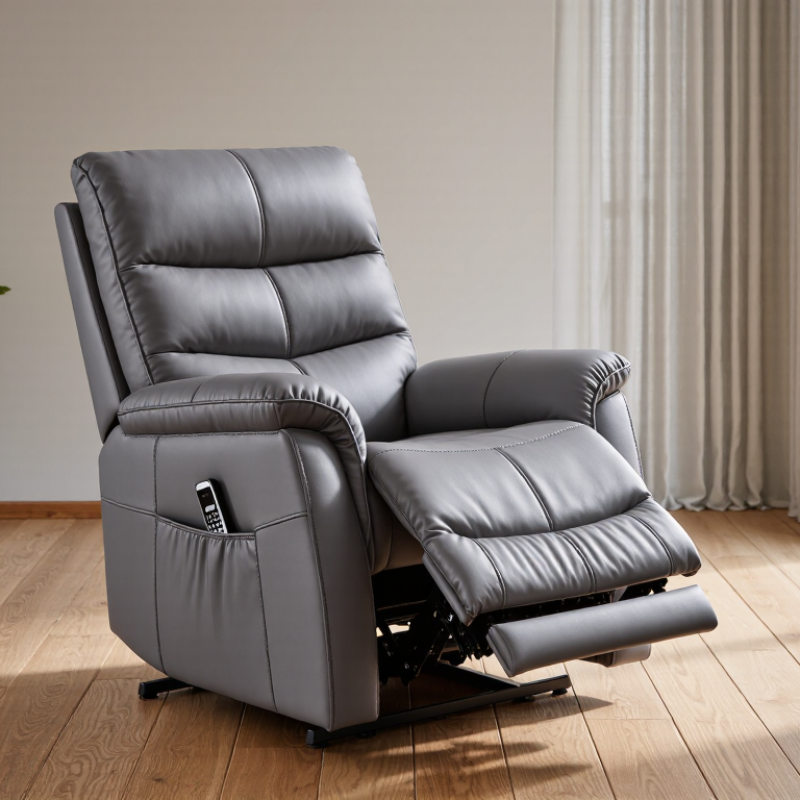
Power Lift Recliners: Definition and Key Features
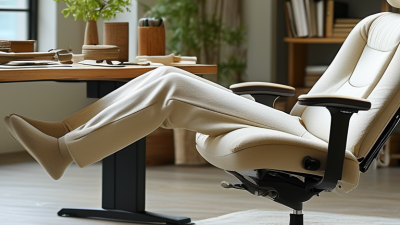
A power lift recliner is an upholstered chair with an electric mechanism that tilts the seat forward to assist standing. It also reclines for resting. Most models use a handheld control, while some offer separate motors for the backrest and footrest. The movement should feel steady, not abrupt. A lift chair can help with transfers, but it does not replace advice from a qualified health professional.
Key features include a stable frame, supportive armrests, accessible controls, and a suitable seat width and depth. Some models add battery backup, heat, or massage; these are optional, not essential. AARP’s 2021 Home and Community Preferences Survey found that 77% of adults aged 50 and older wanted to remain in their homes as long as possible. That preference makes practical seating worth considering, though the figure does not measure lift-chair use. Fit still matters. A chair that is too deep can leave feet unsupported.
Tips: Measure the doorway and floor space first. Check the chair’s weight capacity and fully raised footprint. Test the controls and keep the power cord clear of walking routes. Small details matter.
| Category | Feature or Specification | Definition and Typical Details | What Buyers Should Check |
|---|---|---|---|
| Definition | Power lift recliner | An upholstered chair with an electrically powered mechanism that adjusts the backrest and footrest and can tilt the seat forward to help the user move between sitting and standing. | Confirm that the lift function, reclining positions, and controls suit the intended user. |
| Lift mechanism | Single-motor system | One motor generally coordinates the backrest and footrest movement, so their positions are linked. | Ask for the movement sequence and operating instructions; functions can vary by model. |
| Lift mechanism | Dual-motor system | Separate motors typically allow the backrest and footrest to be adjusted independently. | Check which positions are available and whether the handset clearly identifies each control. |
| Operation | Hand control | A wired or wireless handset is commonly used to operate lifting and reclining functions. Control layouts differ among models. | Review button labels, cable routing, reachability, and any available emergency or reset instructions. |
| Safety | Power-loss provision | Some models include a battery backup intended to support limited operation during a power interruption; it is not necessarily included as standard equipment. | Verify whether backup power is supplied, which batteries are required, and what functions remain available. |
| Fit | Seat dimensions | Seat width, seat depth, and seat height affect how the chair fits the user. There is no single dimension that suits everyone. | Compare the product’s measured dimensions with the user’s body measurements and the available room space. |
| Capacity | Rated user weight | Each model has a manufacturer-stated maximum user weight. Capacity is model-specific and should not be assumed from appearance. | Request the rated capacity and relevant test or product documentation for the exact model. |
| Upholstery | Cover material | Common cover options include fabric and synthetic or genuine leather materials. Cleaning and wear characteristics depend on the specific material and finish. | Ask for material specifications, care instructions, abrasion information, and available swatches. |
| Construction | Frame and moving parts | The frame, reclining mechanism, fasteners, and motor system work together to support repeated movement. Construction details vary by product. | Request drawings or specifications and clarify inspection, maintenance, and replacement-part arrangements. |
| Manufacturing review | Quality and compliance documents | Requirements depend on the destination market, product configuration, and applicable regulations. A generic claim does not establish compliance for every model. | Check documentation for the exact product, destination market, electrical configuration, and applicable standards. |
| Sourcing review | Sample and order verification | Product dimensions, materials, motor options, packaging, and included accessories may differ between models or order configurations. | Approve a production-representative sample and record specifications, inspection criteria, warranty terms, and spare-parts expectations in writing. |