How do you choose power reclining sofas in 2026? The answer starts with your room, not the feature list. Measure the wall, doorway, and open space behind the sofa before comparing models. Some power recliners need clearance; others use a wall-hugging mechanism. Check the manufacturer’s dimensions rather than relying on a staged product photo. It can look roomy online. Not always. Your knees may disagree.
Then consider daily use. Note whether controls are easy to reach, whether the footrest supports your legs, and how smoothly each seat moves. If possible, sit in a showroom for several minutes and try every position. A quick test is not enough. Look for upholstery suited to your household, a sturdy frame, clear warranty terms, and accessible service information. Ask how the sofa behaves during a power outage, and confirm whether it needs a nearby outlet. Keep a note of seat width and depth, too; small differences can change how the sofa feels.
This guide explains how to compare power reclining sofas by comfort, size, construction, upholstery, and useful features. It also covers prices and questions worth asking before checkout. Be cautious with claims such as “best” or “built to last” unless product specifications and warranty coverage support them. A higher price does not guarantee a better fit. Nor does a long feature list. Comfort is personal, and one point is easy to overlook: the sofa should still work when nobody is reclining. Choose for ordinary evenings, tight walkways, and real routines—not only the perfect showroom moment.
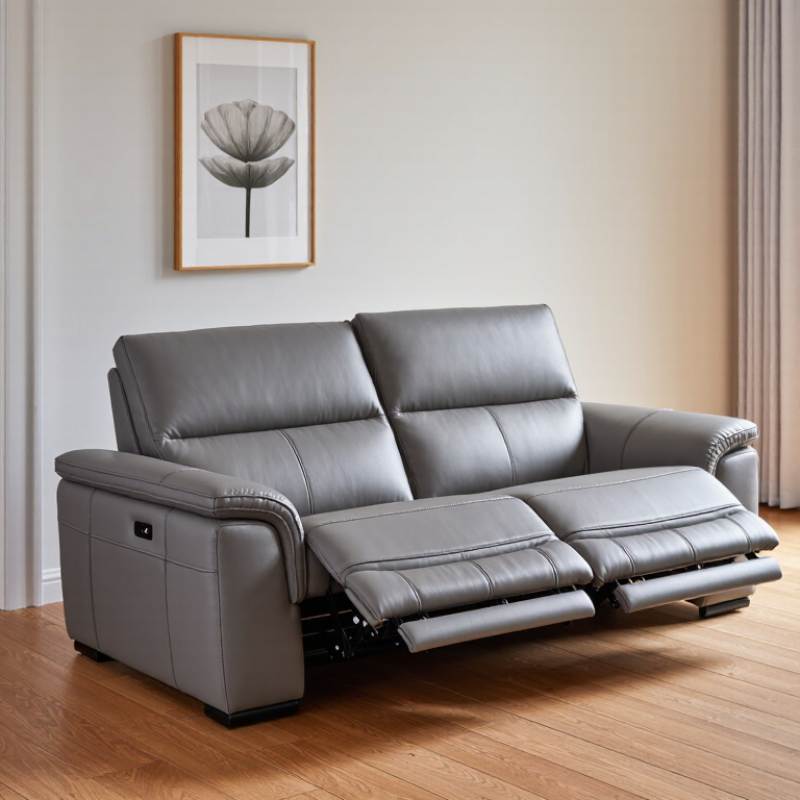
Power reclining sofas now offer more than a footrest and a motor. Look for independent controls for the backrest and leg rest; they let you adjust your posture without shifting your whole body. Some models add powered headrests, lumbar support, or USB-C ports. Test each control in person if possible. Buttons should be easy to reach and clear to identify, even in dim light.
Designs in 2026 often balance reclining hardware with a cleaner, less bulky profile. Wall-hugging mechanisms can help in compact rooms, but check the required clearance in the product specifications. Slim arms and modular sections may suit open-plan spaces, while textured, easy-clean upholstery can handle everyday use. Ask about motor noise, power requirements, and upholstery care. A quiet showroom can hide a surprisingly loud motor at home. A small annoyance matters. Also measure doorways and stair turns before delivery; sofa dimensions alone do not tell the whole story. Features sound useful on paper, yet a complicated control panel may frustrate daily use. Sit, recline, and return the seat upright before deciding.
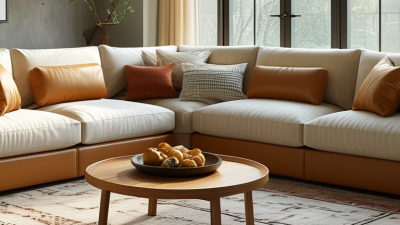
Before comparing power reclining sofas, map the room with painter’s tape to mark the sofa’s footprint. Measure the wall, doorways, and the route from the entrance to the room. Check how far the footrests extend when fully open, and leave clear space for people to pass. Measure twice. A sofa that fits neatly upright may block a walkway when reclined.
Match the seating to the people who will use it most. Count regular users, then consider seat width, depth, back height, and the height of the armrests. If possible, sit in a similar seat and check that your feet rest comfortably and the head support feels right. Comfort is personal. Households with different body sizes may need seats that recline independently, if the model offers that feature. Also note where the power cord will reach an outlet without crossing a busy path.
Think about daily household routines, not just appearance. Pets and children may make stain-resistant fabric, easy-to-clean surfaces, and protected cords more practical. Check the manufacturer’s care instructions, weight limits, and any safety guidance for moving parts. Older adults may appreciate powered adjustment, but confirm that the controls are easy to reach and that the seat height supports comfortable standing. A larger sofa can feel inviting, yet it may leave too little room for side tables or play space; that trade-off is easy to miss in a showroom.
Measure doorways, hallways, and turning areas along the delivery route, then compare them with the sofa’s packaged dimensions. These are ADA reference dimensions, not universal requirements for every home; check applicable standards and the manufacturer’s space and recline-clearance specifications.
How to Choose Power Reclining Sofas in 2026
Compare Reclining Mechanisms, Upholstery, and Power Options
A power reclining sofa should fit your room and the way you actually relax. Single-motor designs usually move the back and footrest together. Dual-motor models let you adjust them separately, useful when you want your feet raised but your back more upright. Try each setting in person. Notice whether the motion feels smooth, and measure the sofa fully extended—not just against the wall. A tight corner can turn a useful feature into an everyday annoyance.
Upholstery deserves the same scrutiny as the mechanism. The Association for Contract Textiles’ performance guidelines use 30,000 Wyzenbeek double rubs as a benchmark for high-traffic woven upholstery. That is a commercial reference, not a promise of years of home use. Ask about cleaning instructions, seam construction, and how the fabric handles sunlight. Leather and tightly woven synthetics may feel quite different against bare skin. Small detail. Big difference.
Tips: Check where the power cord will reach, and ask whether a battery backup can return the seat during an outage. Test USB ports with your own cable, if possible. Sit through a full recline cycle; listen for uneven clicking and feel for a sudden jolt. Then pause. Comfort is personal, and a showroom test can’t predict every long evening at home.
| Feature | Option | Typical Details | Advantages | Points to Check |
|---|---|---|---|---|
| Reclining mechanism | Single-motor power recline | One motor usually moves the footrest and backrest together through a linked motion. | Simple controls and often a more budget-conscious configuration. | The footrest and backrest may not adjust independently; test the seating position before buying. |
| Reclining mechanism | Dual-motor power recline | Separate motors commonly allow the backrest and footrest to move independently. | Offers more control over leg support and recline angle. | May add cost and require more electrical components; confirm which sections are independently adjustable. |
| Space-saving design | Wall-hugger or zero-wall style | The seat generally moves forward as it reclines, reducing the clearance needed behind the sofa. Required spacing varies by design. | Can suit rooms where a sofa must sit relatively close to a wall. | Check the manufacturer’s required wall clearance and measure the sofa in both upright and reclined positions. |
| Upholstery | Leather | Natural leather varies by hide, finish, and grade. Some sofas use leather on seating surfaces with other materials on less-visible areas. | Has a distinctive natural appearance and can develop character with use. | Ask which surfaces are leather, how the material is finished, and what cleaning products are suitable. |
| Upholstery | Performance fabric | Woven synthetic or blended fabrics may be treated or constructed for easier cleaning or improved stain resistance. | Available in many colors and textures; some versions are practical for frequent use. | “Performance” does not guarantee stain-proofing. Check the care instructions and any test or treatment details. |
| Upholstery | Microfiber or polyester fabric | These are common synthetic upholstery choices with a soft hand and a range of pile or weave textures. | Often offers a comfortable feel and broad color availability. | Texture, cleaning requirements, and resistance to wear vary by fabric construction and finish. |
| Power supply | Plug-in power | The sofa connects to a nearby electrical outlet using its power cord and, where applicable, an external adapter. | Provides continuous power without routine battery charging. | Plan outlet access and cord routing; keep cords clear of moving parts and walkways. |
| Power supply | Rechargeable battery pack | An optional battery can allow operation without a sofa power cord connected to a wall outlet. Runtime depends on use and battery capacity. | Can reduce visible cords and provide more placement flexibility. | Check compatibility, charging method, expected runtime, and whether the battery is included or sold separately. |
| Power features | USB charging port | Some models include a USB port near the controls or armrest for charging compatible devices. | Keeps a charging connection within reach while seated. | Confirm the port type, charging output, and whether it remains powered when the sofa is not in use. |
| Power features | Adjustable headrest or lumbar support | Available on some models; controls may adjust these sections separately from the main recline function. | Allows additional positioning for reading, viewing, or relaxing. | Check whether each feature is powered, how it moves, and whether it is available on every seat. |
| Fit and access | Room measurements and delivery path | Measure the sofa’s width, depth, height, and reclined footprint; also check doorways, hallways, stairs, and turns. | Reduces the risk of a sofa not fitting the room or delivery route. | Use the exact model dimensions and account for space needed to operate, clean, and walk around the sofa. |
| Ownership | Warranty and service | Coverage can differ for the frame, reclining mechanism, motors, electrical parts, and upholstery. | Clarifies available support if a covered component fails. | Read the written terms, exclusions, labor coverage, claim process, and duration for each component. |
Buying note: Specifications, upholstery construction, power features, and warranty terms vary by model. Verify the product details and measurements for the exact sofa before purchasing.
Check Safety, Durability, Warranty, and Total Cost
When comparing power reclining sofas, test every seat and control in person if possible. Listen for grinding, watch for uneven movement, and check that the footrest stops smoothly. Keep cords clear of walkways, and look for covered wiring and stable frames. A child-safe lock or accessible power cutoff can be useful in busy homes. Specifications help, but they cannot reveal every awkward button placement.
Durability depends on more than upholstery. Ask what the frame, joints, motor, and reclining mechanism are made from, and whether replacement parts are available. Sit down, shift your weight, and notice any rocking or creaking. It may feel slightly uncomfortable to inspect a new sofa so closely, but repairs are less pleasant. Read warranty terms carefully: motor coverage may differ from fabric coverage, and labor or shipping might be excluded. Get those details in writing.
Tips: Measure doorways, stairs, and the sofa’s fully extended depth. Compare delivery, assembly, service, and electricity costs, not just the sticker price. Keep your receipt and warranty documents together. Check the return window before ordering. I once underestimated room clearance; the sofa fit, but blocked a drawer. Small detail, big irritation.
How to Choose Power Reclining Sofas in 2026
Test your shortlist in the room where it will live. AARP’s 2024 Home and Community Preferences Survey found that 75% of adults aged 50 and older want to remain in their homes as long as possible. That finding is not sofa-specific, but it underscores why everyday comfort and accessibility deserve attention. Sit in each model for several minutes. Test the controls, head support, and return to upright. Notice whether your feet touch the floor when seated. Small details matter.
Measure the doorway, hallway turns, and the sofa’s full recline depth—not just its closed footprint. Mark the extended outline on the floor with painter’s tape. Then check nearby tables, outlets, and walking paths. A showroom test can feel convincing, yet your room may expose awkward gaps or blocked access. Measurements help, but they do not capture every feeling; your preferred angle may change after a longer sit. That is worth considering.
Tips: Bring your room measurements and test the sofa at full extension. Ask about delivery clearance, power access, and return terms. Try every seat, if possible. Don’t rush the decision.