Choosing sectional living room sets is less about copying a showroom and more about understanding your room’s daily demands. A beautiful arrangement can still block a doorway, overwhelm a narrow floor plan, or leave guests without comfortable back support. Measure the wall, walking paths, stairways, and elevator before browsing fabrics or colors. Then consider seat depth, cushion firmness, chaise direction, frame construction, and cleaning requirements.
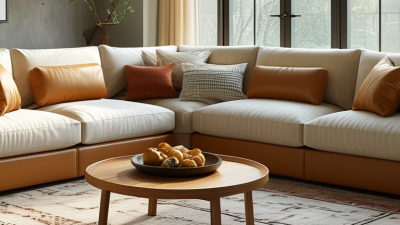
Interior designer Nate Berkus offers a useful principle: “Your home should rise up to greet you.” That idea matters when selecting a sectional. The sofa should welcome people, not force them around awkward corners. A low-profile design may suit an open apartment, while deeper seats can create a relaxed family space. Families with pets might prefer performance fabric, removable covers, and darker textured upholstery. Leather can age beautifully, but it may show scratches and temperature changes.
There is no perfect sofa.
A practical choice often involves compromise. A larger sectional provides generous seating, yet it may reduce visual space. Modular pieces offer flexibility, but connectors can loosen and rearrangement may become inconvenient. Showroom lighting also hides fabric undertones and surface texture. Request swatches at home, especially near windows and warm lamps. Check delivery policies, return conditions, warranty coverage, and assembly requirements before paying. Small oversights matter. This guide explains how to compare sectional living room sets with clearer measurements, realistic expectations, and a little room for reconsideration.
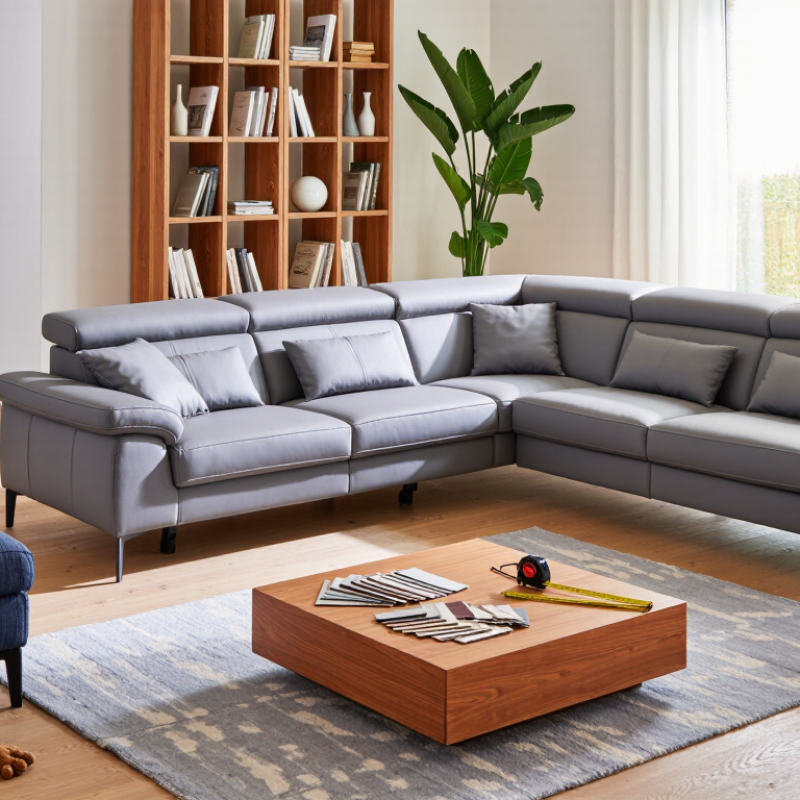
How to Choose Sectional Living Room Sets?
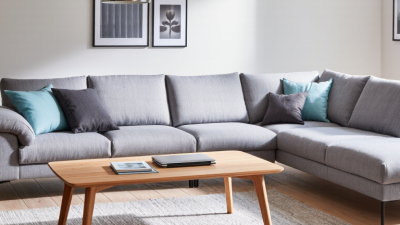
Choosing a sectional starts with its configuration, not its fabric or color. The shape controls conversation, movement, and visible floor space. An L-shaped set suits many living rooms. It places seating along two walls and leaves one side open for circulation. A chaise version adds a relaxed lounge spot, but it may block a walkway. Measure that path carefully. A U-shaped arrangement feels social and generous. It also needs a wider room.
Before shopping, sketch the room using accurate measurements. Mark doors, windows, vents, outlets, and television locations. Keep about 30 to 36 inches of walking space around the sectional. Record the sofa’s total width, depth, and height. Do not trust a picture alone. A deep seat may feel luxurious in a showroom but crowded at home. Check whether the corner is left-facing or right-facing from the front. This detail is easy to misunderstand. For changing needs, modular sections offer flexibility. Armless chairs, corner pieces, and ottomans can create new layouts.
I once chose a chaise that looked perfect in a bright showroom. It covered the only clear route to the balcony. We moved it twice. That mistake taught me to study movement before appearance. A reversible chaise would have suited that room better. Still, modular pieces are not automatically practical. More joints can shift on hard floors, and extra pieces need storage. Ask about connector strength, cushion support, cleaning access, and delivery clearance. Leave enough space behind reclined backs if the mechanism needs clearance.
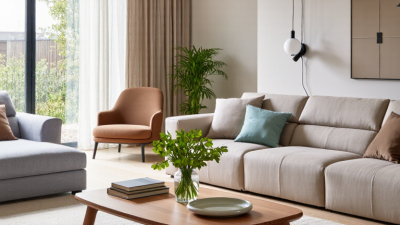
Before choosing a sectional, measure the room length, width, ceiling height, doorways, stair turns, and elevator openings. Record every number twice. A small error can make a large sectional impossible to deliver. Mark windows, radiators, outlets, vents, and door swings on graph paper. Measure from the trim, not only the bare wall. This detail matters.
Create a floor plan using the sectional’s full dimensions, including the chaise projection. Leave about 30 to 36 inches for main walkways, although narrow rooms may require less. Keep at least 18 inches between the sofa edge and a coffee table for comfortable legroom. Use painter’s tape to outline each piece on the floor. Walk around it with a laundry basket. It reveals awkward corners. I once trusted a standard layout and blocked a cabinet door. Do not repeat that mistake.
Plan the television sightline without forcing every seat against a wall. Check that the chaise does not close a hallway or cover a heating vent. If the sectional floats, measure behind it and allow space for cleaning. Low-profile pieces can make a tight room feel larger, but scale still matters. A huge sofa may fit technically and still dominate the room. Leave room for lamps, side tables, and people carrying drinks. Recheck the plan after sleeping on it; furniture decisions sometimes look different the next morning.
How to Choose Sectional Living Room Sets?
Choosing the right material starts with your household’s daily habits. Tightly woven performance fabric handles frequent use and small spills better than delicate upholstery. Leather feels durable and develops character, but it can show scratches and temperature changes. For homes with pets, inspect the weave closely. Loose loops may catch claws. Ask for fabric samples, then rub and lightly blot them at home. Store lighting can make colors look surprisingly different.
Color should support the room rather than fight it. Warm beige, soft gray, and muted green can make a large sectional feel calmer. Deep blue or rust creates focus, but strong colors need balanced walls and accessories. I once chose a beautiful dark sofa for a bright room. It looked heavier than expected. That mistake taught me to test large swatches near windows and lamps. View them during morning and evening.
Comfort depends on more than soft cushions. Check seat depth, back height, and arm width before ordering. A deeper seat may suit tall adults, while shorter users could need firmer support. High-resilience foam usually keeps its shape better than loose, overly soft filling. Try sitting upright and reclining for several minutes. Notice pressure behind your knees. Removable covers help with maintenance, although zippers can weaken over time. A sectional should also leave clear walking space around tables and doorways. Measure twice.
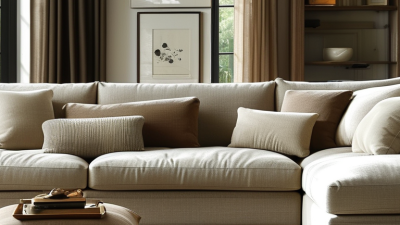
The sofa should support the room’s character, not compete with it. A low, clean-lined sectional suits modern spaces with glass tables, smooth flooring, and simple lighting. A deeper, softer design feels natural in relaxed, traditional, or rustic rooms.
Start by studying your existing colors, shapes, and materials. Warm upholstery can connect with wood floors and woven accessories. Cooler gray or blue tones may balance metal details and pale walls.
Scale matters as much as style. Measure doorways, walking paths, and the distance from the television before choosing a large configuration.
In my experience, homeowners often focus on appearance first and regret ignoring circulation. I once selected a sectional that looked excellent in a showroom but crowded a narrow room. It was comfortable, but poorly judged.
Leave at least 30 inches for main walkways.
Use fabric samples beside your flooring and curtains.
Check the seat depth, cushion firmness, and frame support in person.
Choose a reversible chaise when your layout may change.
Do not match every piece perfectly; controlled contrast often creates a more considered room.
Still, design rules are not absolute. A bold sectional can work in a quiet interior when its color appears in smaller details.waswo
How to Choose Sectional Living Room Sets?
A sectional should feel sturdy before it looks fashionable. Sit on every seat and notice any frame movement, uneven cushions, or unwanted creaking. Hardwood or reinforced frames usually offer dependable support, while dense foam helps cushions keep their shape. Check the joins carefully. Weak connections often become obvious after months of daily use.
Maintenance affects the real cost. Choose removable, washable covers if children, pets, or frequent guests use the room. Tight woven fabrics generally resist everyday abrasion better than delicate textures. Ask how the material reacts to spills, sunlight, and cleaning products. A small fabric sample can reveal more than a showroom display. I once ignored this step, and a pale cushion showed stains far too quickly.
Tips: Measure doorways, stair turns, and wall space before ordering. Leave enough room for walking and opening nearby cabinets. Compare the warranty, cleaning instructions, cushion replacement options, and delivery fees. A cheaper sectional may require repairs sooner, but expensive furniture is not automatically better. Set a complete budget, including care products and possible assembly costs. Also, reconsider oversized designs. They can dominate a small room and make cleaning awkward. Choose comfort you can maintain, not just comfort that impresses you today.
| Comparison Area | Sectional Type or Material | Typical Price Range | Quality and Durability | Maintenance Requirements | Best For | Overall Value |
|---|---|---|---|---|---|---|
| Configuration | Two-piece sofa chaise | $900–$2,500 | Simple construction with fewer connecting points; generally easy to move and rearrange. | Vacuum the chaise and seating gaps regularly. Check connection hardware occasionally. | Small to medium living rooms and flexible layouts. | ★★★★☆ |
| Configuration | L-shaped sectional | $1,200–$4,000 | Provides efficient seating and makes good use of corners. Quality depends on the frame, suspension, and cushion construction. | Rotate reversible cushions when possible and vacuum the corner junction to prevent dust buildup. | Families, apartments, and rectangular rooms. | ★★★★★ |
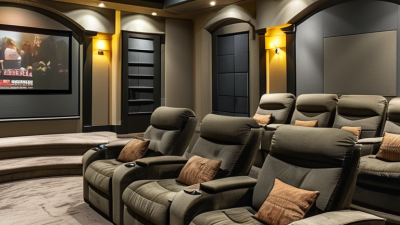
| Configuration | U-shaped sectional | $2,000–$6,000+ | Offers extensive seating but has more sections, seams, and connectors that may require adjustment over time. | Allow adequate clearance for cleaning. Inspect modular connectors and support legs periodically. | Large rooms, frequent entertaining, and movie areas. | ★★★★☆ |
| Frame | Kiln-dried hardwood frame | Usually included in mid- to high-range furniture | Low moisture content helps reduce warping and movement. Well-constructed joints improve long-term stability. | Keep away from prolonged moisture and avoid dragging the sectional across the floor. | Buyers prioritizing long service life. | ★★★★★ |
| Frame | Engineered wood or mixed-material frame | Usually found in entry- to mid-range furniture | Can perform well when properly reinforced, but construction quality varies more between products. | Prevent water exposure and tighten loose legs or hardware when needed. | Budget-conscious buyers and moderate-use rooms. | ★★★☆☆ |
| Cushion Fill | High-resilience foam | Common in mid- to high-range sets | Maintains shape better than low-density foam and provides consistent support. Firmness varies by density. | Rotate or reverse cushions according to the manufacturer’s instructions; vacuum seams regularly. | Daily use and households wanting structured support. | ★★★★★ |
| Cushion Fill | Down or feather blend | Often higher than comparable foam seating | Soft and comfortable, but the fill compresses and shifts more quickly than foam. | Fluff cushions frequently and reshape them after use to reduce permanent flattening. | Lounging-focused rooms and buyers who prefer a soft feel. | ★★★★☆ |
| Upholstery | Performance woven fabric | $1,000–$4,500 for a complete sectional | Many tightly woven synthetic fabrics resist everyday wear and are available in a wide range of colors. | Vacuum weekly, blot spills promptly, and follow the upholstery cleaning code on the care label. | Busy households, children, and frequent use. | ★★★★★ |
| Upholstery | Top-grain leather | $2,500–$8,000+ | Durable and capable of developing a natural patina. Surface quality and finishing methods affect performance. | Dust with a soft cloth, wipe spills quickly, and use a suitable leather conditioner periodically. | High-use rooms and buyers seeking a long-term material. | ★★★★★ |
| Upholstery | Synthetic leather or coated upholstery | $1,000–$3,500 | Usually easy to wipe clean, but surface coatings can crack or peel with age, heat, or heavy abrasion. | Use a damp cloth and mild cleaner approved for the material; avoid abrasive products and direct heat. | Moderate-use spaces and buyers seeking a leather-like appearance. | ★★★☆☆ |
| Space Planning | Compact modular sectional | $900–$3,000 | Individual pieces are easier to transport, replace, and reconfigure than a single oversized unit. | Keep connector points aligned and measure doorways before delivery. | Apartments, renters, and homes with changing layouts. | ★★★★★ |
| Space Planning | Oversized deep-seat sectional | $1,800–$6,000+ | Provides generous lounging space but may create greater stress on cushions and suspension with daily use. | Use arm covers where needed, rotate cushions, and maintain clear airflow around the furniture. | Large living rooms and relaxed, lounge-style interiors. | ★★★★☆ |
| Budget Planning | Entry-level purchase | $700–$1,500 | May offer acceptable short- to medium-term performance, but inspect frame joints, cushion recovery, and stitching carefully. | Regular vacuuming and careful spill treatment are especially important for lower-cost upholstery. | Temporary homes, starter spaces, and limited budgets. | ★★★☆☆ |
| Budget Planning | Mid-range purchase | $1,500–$4,000 | Often balances stronger construction, better cushioning, fabric choices, and warranty coverage. | Follow the care label, rotate cushions, and inspect hardware during routine cleaning. | Most households seeking a balance of quality and cost. | ★★★★★ |
| Budget Planning | Premium purchase | $4,000–$10,000+ | Usually provides more upholstery choices, refined construction, replaceable components, and stronger customization options. | Use professional cleaning when recommended and protect the sectional from prolonged sunlight and moisture. | Long-term ownership and design-focused interiors. | ★★★★☆ |