Choosing the best cupholder recliner sofas involves more than comparing colors and discount prices. These sofas shape daily comfort during movie nights, reading sessions, and quiet afternoon rests. A suitable model should support your back, keep drinks stable, and operate smoothly without demanding excessive effort.
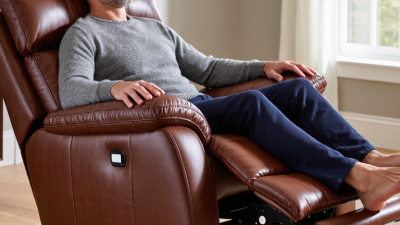
Ergonomist Alan Hedge often reminded people, “The best posture is the next posture.” This principle matters when evaluating reclining furniture. A sofa may feel soft at first. It can still create pressure after an hour. Test the seat with your feet raised. Notice whether your lower back remains supported. Check if the headrest aligns naturally with your neck. Small details matter.
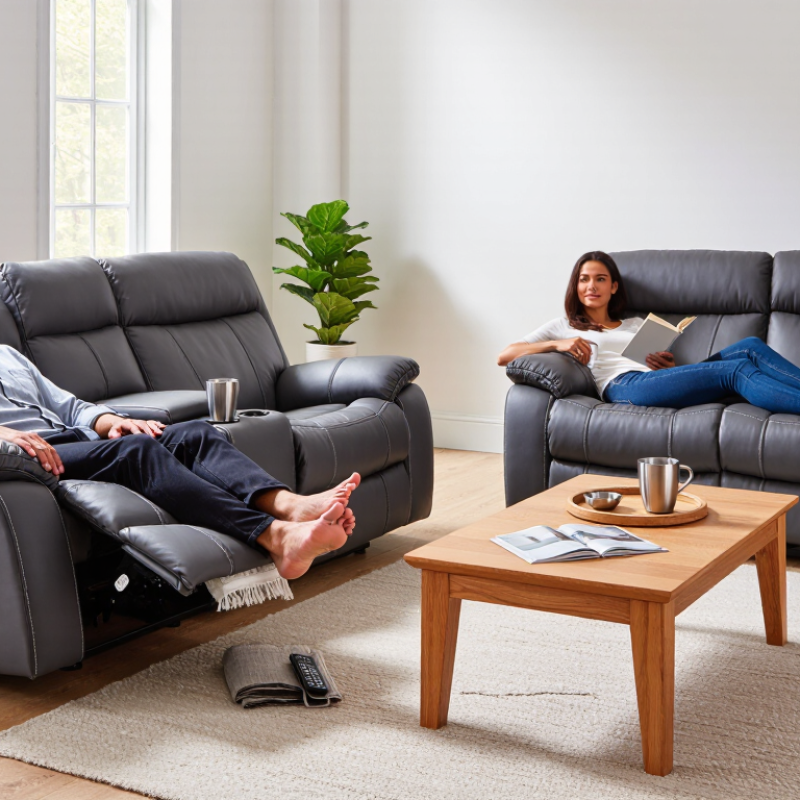
Pay close attention to the cupholders. They should sit within easy reach, but not press against your elbows. Stainless-steel inserts can handle spills better than uncovered fabric. Removable liners are practical. Some models include USB ports, storage compartments, or reading lights. Useful, perhaps. More features can also mean more parts to repair.
Measure your room before choosing. Reclining sofas need clearance behind and in front. Wall-hugger designs may save space, but their movement can feel less generous. Examine the frame, reclining mechanism, stitching, and warranty terms. Ask whether replacement parts are available. That question is often overlooked.
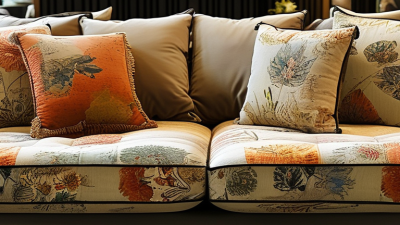
Fabric, leather, and performance upholstery each age differently. Pets, children, and frequent snacks change the decision. A darker color may hide marks, but it will not prevent wear. No sofa is perfect. The best choice balances comfort, access, durability, and honest expectations. A careful trial remains more reliable than a polished product photograph.
How to Choose the Best Cupholder Recliner Sofas?
Understanding Cupholder Recliner Sofa Types and Features
Cupholder recliner sofas come in several practical designs. A manual recliner uses a side lever or pull handle. It usually costs less and works without electricity. A power recliner offers smoother adjustment and better positioning control. However, it needs a nearby outlet and may require more maintenance. Wall-hugger models recline with limited space behind the sofa. They suit apartments and narrow media rooms. Rocker recliners add gentle movement, which some users find calming. Console sofas include storage between seats, often with cup holders and charging ports.
Examine the cup holders carefully. Deep, stable holders reduce spills during movie nights. Removable inserts are easier to clean. Check whether they fit your usual mugs, bottles, or travel cups. The reclining mechanism should move quietly and stop without sudden jolts. Look for supportive headrests, firm lumbar padding, and a footrest that reaches your ankles. Measure the sofa, doorway, and fully reclined depth before ordering. Dimensions on product pages can be easy to misunderstand.
I once chose a sofa with impressive features but shallow seat cushions. Long viewing sessions became uncomfortable. That mistake still influences my recommendations. Test the seat height and cushion firmness if possible. Check the stated weight capacity, frame construction, warranty terms, and fabric cleaning instructions. Performance can vary between seats. A power model may feel luxurious, yet a manual design could better suit a simple room. Think about daily habits, not just appearance. Controls should remain reachable in low light. Otherwise, convenience becomes a small annoyance.
| Recliner Sofa Type | Typical Seating Capacity | Reclining Mechanism | Cupholder Configuration | Common Features | Typical Space Requirement | Best Suited For | Key Considerations |
|---|---|---|---|---|---|---|---|
| Manual Wall-Hugger Recliner Sofa | 2 to 3 seats | Manual lever or pull handle | Usually 2 to 4 integrated cupholders | Space-saving reclining design, padded armrests, storage compartments, removable cushions | Requires approximately 10 to 20 cm of clearance from the wall, depending on the design | Small living rooms, apartments, and media rooms | Requires physical effort to operate and may offer fewer premium functions |
| Power Recliner Sofa | 2 to 3 seats | Electric motor controlled by buttons | 2 to 4 cupholders, often with illuminated controls | Adjustable backrest and footrest, USB charging ports, power headrests, memory positions | Usually needs approximately 10 to 30 cm of wall clearance | Users who prefer effortless adjustment and precise positioning | Needs a nearby electrical outlet and may be heavier than a manual model |
| Zero-Gravity Recliner Sofa | 2 to 3 seats | Manual or powered reclining system | Commonly 2 to 4 cupholders | Leg elevation, balanced body positioning, extended footrests, supportive lumbar padding | Typically requires 15 to 30 cm of rear clearance plus additional front space | Long movie sessions, relaxation, and users seeking improved leg support | The extended reclined position requires careful room planning |
| Console Reclining Sofa | 2 to 3 seats | Manual or electric, depending on the model | 2 or more cupholders built into the center console | Storage console, charging ports, concealed compartments, divided seating | Requires enough width for the center console and normal recline movement | Families and home theaters that need personal storage between seats | The center console reduces the usable seating width and may limit cuddling space |
| Theater-Style Recliner Sofa | 2 to 4 seats | Usually powered, sometimes manual | One or more cupholders per seat, frequently with LED lighting | High-back support, fixed armrests, tray tables, USB ports, ambient lighting | Needs sufficient front clearance for footrests and walking space between rows | Dedicated home theaters and entertainment areas | Prioritizes viewing comfort over compactness and flexible room layouts |
| Lift Recliner Sofa | 1 to 2 seats | Powered lift and reclining mechanism | Usually 1 to 2 cupholders per seat | Assisted standing function, remote control, padded headrest, side pockets | Requires clear space in front and behind the chair or sofa during operation | Older adults and users with limited mobility | Check weight capacity, emergency battery backup, and remote-control simplicity |
| Loveseat Recliner Sofa | 2 seats | Manual or powered | Typically 2 cupholders, sometimes located in a center console | Compact footprint, independent reclining seats, padded armrests, storage options | Generally suitable for compact rooms, but the fully reclined depth must be measured | Couples, small families, and rooms with limited floor area | Measure doorways and hallways because reclining frames can be bulky |
| Three-Seat Reclining Sofa | 3 seats | Manual or powered, with independent seat controls on some models | 2 to 4 cupholders, depending on console and armrest design | Maximum seating capacity, split-back reclining, storage arms, removable backrests | Requires a wide room and adequate front clearance when all seats are reclined | Large living rooms and shared family entertainment spaces | Confirm the sofa width, delivery path, and load-bearing capacity of the floor |
| Leather or Faux-Leather Recliner Sofa | 2 to 3 seats | Manual or powered | Usually 2 to 4 cupholders integrated into the console or armrests | Easy-to-wipe surface, structured cushioning, coordinated appearance, optional cooling ventilation | Space requirements depend on the underlying manual or power recliner mechanism | Busy households that value easy surface maintenance | Direct sunlight and heat can accelerate surface drying, fading, or cracking |
| Fabric Recliner Sofa | 2 to 3 seats | Manual or powered | Usually 2 to 4 cupholders | Soft hand feel, broad color selection, breathable upholstery, removable or washable covers on selected designs | Space requirements depend on the sofa size and reclining range | Comfort-focused living rooms and cooler indoor environments | Look for stain-resistant treatment or removable covers if spills are a concern |