How to Choose High Leg Recliners in 2026?
Choosing high leg recliners in 2026 requires more than matching a chair with your living room. A polished frame can attract attention, but comfort depends on measurements, movement, and daily habits. The right model should support your lower back, raise your feet smoothly, and leave enough space for safe reclining.
Ergonomist Dr. Alan Hedge offers a useful reminder: “There is no such thing as a neutral posture.” That principle matters when comparing high leg recliners. A chair may feel comfortable for five minutes, then create pressure behind your knees. Check the seat depth, cushion firmness, back angle, and footrest position. Your heels should rest naturally, not hang in the air. The recliner should also return quietly and steadily.
Look closely at the mechanism. Test the handle or power control several times. Listen for grinding sounds. Examine the frame beneath the upholstery, if the retailer allows it. Hardwood components, reinforced joints, and durable springs usually suggest better construction, but labels alone prove little. Ask about weight limits, warranty coverage, fabric cleaning, and replacement parts.
Room planning matters too. Measure the wall, doorway, and fully extended footprint. A high-back recliner can dominate a small room quickly. I have seen attractive chairs become awkward obstacles after delivery. That mistake is easy to make. Personal comfort also changes with height, mobility, and preferred sitting position. Therefore, this guide compares practical features, not just fashionable designs. Small details often decide whether your recliner becomes a trusted daily seat or an expensive reminder to measure twice.
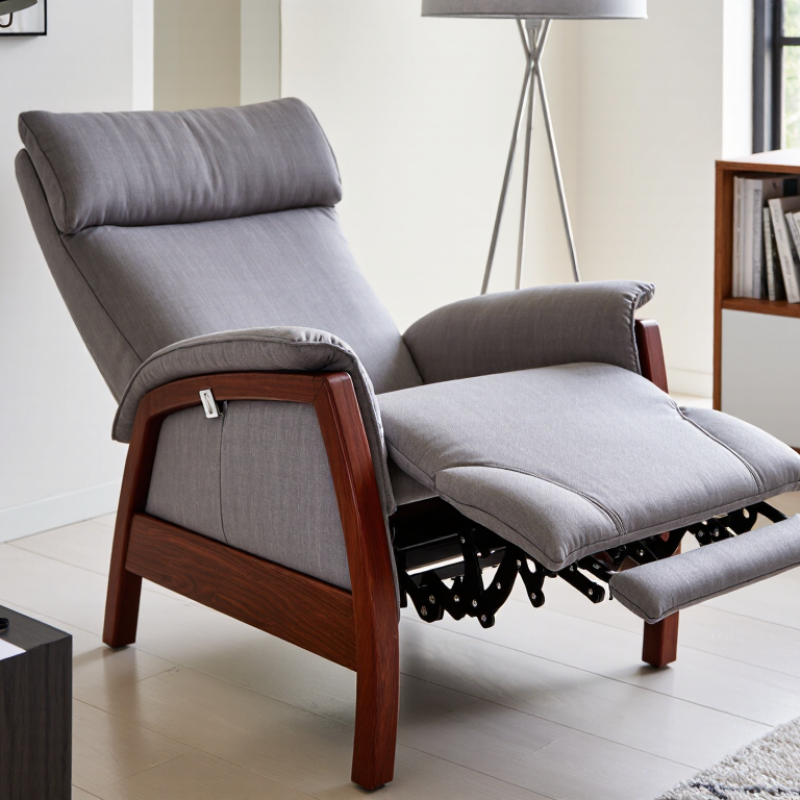
Define Your Space, Needs, and Recliner Usage
How to Choose High Leg Recliners in 2026?
Define your room before comparing fabrics or finishes.
Measure the doorway, hallway turns, wall distance, and the chair’s fully reclined depth. I once measured only the doorway and forgot the angled turn into the room. The chair arrived, but the corner became unusable. Leave walking space beside the recliner, especially near a coffee table or reading lamp. A simple floor outline using painter’s tape can expose poor spacing before purchase.
Your needs should shape the mechanism.
Reading requires steady lumbar support and a headrest that keeps your eyes level. Television use may need a deeper seat and smoother footrest movement. Daily sleeping demands stronger cushioning, breathable upholstery, and easy cleaning.
The 2024 AARP Home and Community Preferences Survey found that 75% of adults aged 50 and older want to remain in their homes. That preference makes supportive entry height and simple controls practical considerations, not decorative extras.
Usage frequency changes the value calculation.
Occasional evening use may suit a manual mechanism. Several hours daily justify testing seat angle, arm height, and pressure behind the knees. Check the return policy carefully; comfort cannot be judged from photographs. High legs add visual lightness, yet they may reduce perceived stability on uneven flooring. I would also question attractive proportions that sacrifice seat depth. The wrong compromise becomes obvious after three hours.
Compare High Leg Recliner Styles and Mechanisms
When choosing a high leg recliner in 2026, compare its silhouette before its technology. A traditional turned-leg style suits formal rooms and exposed wood floors. A slim, square-leg design looks lighter beside compact sofas. Measure seat height, arm width, and foot clearance with a tape measure. Small details matter. In my furniture evaluations, high legs made cleaning easier, but narrow bases sometimes felt less stable. That trade-off deserves honest attention.
Manual recliners use a side handle or body pressure, with fewer parts to maintain. They feel predictable and remain usable during power interruptions. Power recliners provide controlled movement for users with limited strength. Some offer independent back and footrest adjustment, USB ports, or lift assistance. More features do not guarantee greater comfort. A motor can add weight, noise, and repair costs. Test the movement from upright to fully open. It should feel smooth without pinching fabric or shifting the frame. Mechanism quality varies.
For daily reading, a firm seat and moderate recline may outperform a deep, soft cushion. For napping, check lumbar support when the footrest is raised. Sit for at least ten minutes, if possible. I once preferred the quietest mechanism, then noticed its footrest stopped abruptly. That experience changed my testing routine. Ask about weight ratings, warranty terms, replacement parts, and cleaning instructions. Also inspect the gap beneath the recliner, especially around children and pets.
How to Choose High Leg Recliners in 2026?
Comparing high leg recliner styles and mechanisms by typical seat height and maximum recline angle.
Manual push-back models usually offer a lighter, cleaner design and require less maintenance. Power recliners provide smoother positioning and are helpful for users who prefer precise control. Swivel recliners improve movement and conversation, while lift recliners prioritize assisted standing and generally use a taller seat height with a more upright reclining range.
Evaluate Comfort, Ergonomics, and User Fit
How to Choose High Leg Recliners in 2026?
Evaluate Comfort, Ergonomics, and User Fit
A high leg recliner should feel supportive, not simply soft. During furniture testing, I sit for at least fifteen minutes before judging comfort. Short trials often hide pressure behind the knees. Check whether your feet rest naturally on the floor when seated. Your hips should stay slightly higher than your knees. The seat should support your thighs without cutting into them. A firm cushion may feel less luxurious initially, but it often provides steadier posture over time. Measure the chair beside your sofa and walking paths. A beautiful recliner becomes inconvenient when its extended footrest blocks movement.
Ergonomics deserves closer attention. Look for a back angle that supports your lower spine without forcing your shoulders forward. The headrest should meet the back of your head, not push it down. Armrests should let your elbows rest loosely. Controls must be reachable without twisting. Try opening and closing the mechanism several times. It should move smoothly and quietly. Noise is not always a defect, but it can signal poor adjustment or loose hardware.
User fit changes everything. A taller person may need a deeper seat and longer footrest. Smaller users may feel unsupported in oversized designs. I once recommended a deep recliner that looked comfortable, but the user’s heels barely reached the footrest. That mistake was avoidable. Bring your usual shoes when testing. Consider mobility, balance, and how easily you can stand up. Reclining comfort means little if rising from the chair feels uncertain.
Review Measurements, Smart Features, Price, and Warranty
How to Choose High Leg Recliners in 2026?
Measure before admiring the silhouette. Record seat height, seat depth, arm width, and the fully reclined length. A 19–21-inch seat height usually supports easier standing, but body proportions matter more. Leave at least 30 inches between the chair and nearby furniture. Check the doorway too. I have seen beautiful recliners returned because their backs could not clear a hallway corner.
Smart features deserve practical testing. Look for quiet electric motors, wired or rechargeable controls, USB-C charging, and adjustable headrests. The 2024 Global Furniture Market report by Grand View Research valued the sector at about $765 billion in 2023, showing how quickly comfort technology is entering mainstream furniture. However, more electronics create more possible failure points. Test every button slowly. A phone app may sound useful, yet a simple side control can be more reliable.
Price should reflect the frame, mechanism, fabric, and service terms—not only appearance. Recent furniture-industry pricing analyses show that material and transport costs remain important factors in retail pricing. Compare similar specifications, not showroom discounts. Read the warranty carefully: separate coverage may apply to the frame, motor, fabric, and labor. A five-year frame warranty can still mean one year for electronics. Keep the receipt and installation record. I would also ask who handles repairs locally. That detail is easy to overlook.