Why Choose Leather Furniture Repair for Global Buyers?
Leather furniture repair is becoming a practical choice for buyers who value durability, cost control, and responsible consumption. The United States Environmental Protection Agency reported that furniture and furnishings generated about 12.1 million tons of municipal solid waste in 2018. Much of it entered landfills. Repairing one cracked sofa can therefore prevent unnecessary replacement, especially when its frame remains strong and usable.
Market research also supports this shift. The Business Research Company’s Furniture Repair and Restoration Services Global Market Report 2024 identifies growing demand for restoration services across residential and commercial settings. Grand View Research continues to describe furniture as a major global consumer market, where replacement costs rise with material, shipping, and labor expenses. These reports do not measure every leather repair project. Their categories vary. Still, they reveal a clear commercial direction: buyers increasingly examine lifecycle value, not only purchase price.
A skilled technician can recolor faded panels, replace damaged cushions, repair loose stitching, and condition dry leather. Picture a reception sofa with worn armrests, repaired overnight instead of removed from a hotel lobby. That detail matters. It protects brand presentation and reduces operational disruption.
Repair is not always the best answer. Severely damaged leather may require extensive replacement. Some finishes may resist accurate color matching. Transparent assessments remain essential. Experienced providers should explain material type, repair limits, estimated service life, and maintenance needs before accepting the work. For global buyers, leather furniture repair offers a measurable balance between craftsmanship, sustainability, and long-term value. Not perfection. Better judgment.
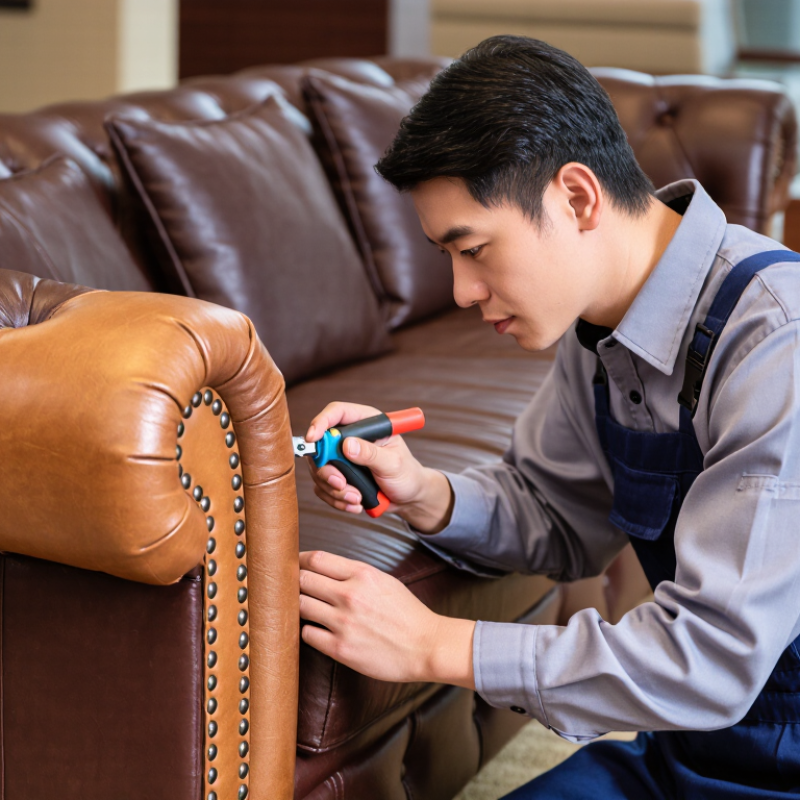
Leather furniture repair is the skilled process of restoring damaged hides, seams, foam, frames, and surface coatings. Technicians inspect grain, finish, tension, and damage depth before selecting a method. Small scratches may need cleaning and recoloring. Torn panels may require backing fabric, matching leather, and controlled stitching. Loose cushions can need new filling or edge support. It is more than applying color. A poor repair may crack, shine, or feel stiff within months. That limitation matters.
The U.S. Environmental Protection Agency reported that 12.1 million tons of furniture and furnishings entered the municipal waste stream in 2018. About 80.2% was landfilled, according to its Facts and Figures report. This older dataset still reveals the scale of replacement waste. UNEP’s Global Resources Outlook 2024 warns that global resource extraction could rise 60% by 2060 without stronger action. Repair keeps an existing frame and upholstery in use. It can reduce demand for new materials, shipping, packaging, and disposal. Results vary. Deeply sun-damaged leather may never look factory-new.
For global buyers, repair can protect value across climates and service networks. A professional assessment should record leather type, color, repair area, material compatibility, and expected lifespan. Ask for close-up photos, curing times, and care instructions. In practice, clear limitations build more trust than perfect promises. Buyers should compare repair costs with replacement, including freight and installation. Not every sofa deserves repair. Yet a strong frame with localized damage often does. Maintenance remains practical: keep leather away from radiators, wipe spills quickly, and condition only when specialists recommend it.
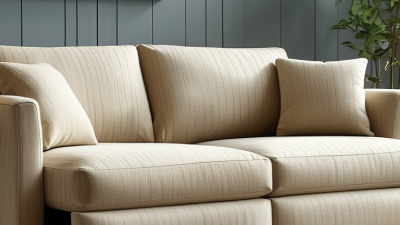
Leather furniture repair is suitable for many visible and structural problems. Technicians can treat surface scratches, light scuffs, color fading, and small punctures. They can also repair torn cushions, split seams, and loose stitching. Deep cracks may need flexible filler, matched pigment, and protective coating. Peeling bonded leather requires more caution because the damaged layer may continue separating.
Burn marks and large tears are sometimes repairable. However, the result may not become completely invisible. A skilled technician examines the leather grain, finish, backing fabric, foam, and frame before choosing a method. For example, a five-centimeter tear near a cushion edge may need reinforcement beneath the leather. A faded armrest may need color blending across the entire panel, not only the damaged spot. Poor preparation can make a repair obvious.
Repair also supports responsible purchasing decisions. The Circularity Gap Report 2024 reported that only 7.2% of the global economy was circular. Extending furniture life can reduce replacement demand, although repair itself is not impact-free. Technicians still use pigments, adhesives, and replacement materials. That limitation deserves attention. The best repair assessment explains what can be restored, what will remain visible, and whether replacement is more practical. For global buyers, clear photographs, leather samples, damage measurements, and moisture history help professionals provide a more reliable recommendation.
| Damage Type | Common Cause | Repairability | Typical Repair Method | Leather Types Generally Suitable | Expected Result | Important Limitation |
|---|---|---|---|---|---|---|
| Surface scratches and light scuffs | Pet claws, clothing hardware, moving items, or everyday contact | High | Cleaning, gentle conditioning, color-matched repair cream, and surface refinishing | Pigmented, corrected-grain, and many finished aniline leathers | Usually blends well, especially when the leather surface is not cut | Deep scratches that remove the finish may require additional recoloring |
| Color fading and uneven color | Sunlight, heat, friction, body oils, and age-related finish wear | High | Deep cleaning, color restoration, pigment application, and protective topcoat | Pigmented and corrected-grain leather; carefully assessed on aniline leather | Color can often be restored or evened out across the affected panel | Natural shade variation may remain on aniline and semi-aniline leather |
| Dryness, stiffness, and surface cracking | Low humidity, prolonged heat exposure, age, or insufficient maintenance | Medium | Cleaning, controlled conditioning, flexible filler for shallow cracks, and recoloring | Finished leather and corrected-grain leather with intact structure | Shallow cracking may become less visible and the surface more flexible | Conditioning cannot restore leather that has fully split or lost its fibers |
| Small cuts, punctures, and tears | Sharp objects, accidental impact, or overstretching | Medium | Backing-patch installation, adhesive repair, flexible filler, texture matching, and recoloring | Most finished upholstery leathers; repair approach depends on thickness and location | Small damage can often be stabilized and visually blended | Structural tears, missing material, or damage on high-tension seams may remain visible |
| Peeling or flaking finish | Breakdown of the surface coating, heavy abrasion, age, or incompatible cleaning products | Medium | Removal of loose coating, surface preparation, recoloring, and application of a compatible finish | Finished leather; bonded or synthetic upholstery requires separate material testing | Localized areas can often be refinished for a more uniform appearance | If the leather fibers are already deteriorated, refinishing may be temporary |
| Seam separation and loose stitching | High use, thread failure, excess tension, or weakened seam edges | High | Restitching, seam reinforcement, thread replacement, and alignment of the upholstery panels | Most leather and leather-upholstered furniture when the edge material is sound | Often provides a strong functional repair with limited visual impact | Repair is more complex when the leather beside the seam is brittle or torn |
| Loose or stretched upholstery | Repeated loading, weakened foam, frame movement, or inadequate tension | Medium | Upholstery adjustment, foam or padding replacement, re-tensioning, and fastening | Leather upholstery with reusable, stable material and accessible fastening points | Comfort, shape, and surface tension can often be improved | Damaged foam, webbing, or frame components may also need repair |
| Water marks and mild staining | Spilled liquids, uneven drying, food, oils, or household products | Medium | Material-specific cleaning, controlled drying, stain reduction, and localized recoloring | Finished leather and some protected semi-aniline leather | Many recent or surface-level marks can be reduced significantly | Oil penetration, ink, dye transfer, and old stains may not disappear completely |
| Burn marks and heat damage | Hot objects, cigarettes, heaters, or direct heat exposure | Limited | Removal of charred material, backing patch, filler, texture work, and color restoration | Repairable mainly when the affected area is small and surrounding leather is stable | Small burns may be stabilized and blended, but close inspection can reveal the repair | Large, deep, or structurally weakened burns may require panel or cover replacement |
| Missing leather or extensive material loss | Severe abrasion, animal damage, major tears, or prolonged deterioration | Limited | Panel replacement, leather insertion, upholstery recutting, or complete cover replacement | Most upholstery leather when a suitable replacement hide and matching grain are available | Function can usually be restored; visual matching depends on color, grain, and age | An exact match may be impossible because leather naturally varies between hides |
Leather furniture repair begins with a careful inspection. A technician checks scratches, cracks, loose stitching, fading, and weakened foam. They also identify the leather type and finish. This step prevents unsuitable dyes or adhesives from damaging the surface.
The repair usually starts with gentle cleaning and degreasing. Small cuts may receive a flexible filler and matching color layers. Deeper tears often need backing fabric beneath the leather. Loose seams are restitched with durable thread. Technicians then blend the repaired area by hand. Finally, they apply a protective finish and test flexibility, color transfer, and adhesion. The process needs patience.
A repaired arm may not look factory-new. That detail deserves honest discussion. Natural grain, sunlight, and previous cleaning can affect color matching. However, skilled work can restore comfort and extend practical use. The U.S. Environmental Protection Agency reported 12.1 million tons of furniture and furnishings entered the municipal waste stream in 2018. Repairing one damaged sofa can help avoid part of that waste, although results depend on its structure and condition. The 2023 Circularity Gap Report estimated that only 7.2% of the global economy was circular. For international buyers, documented inspections, repair photographs, material notes, and care instructions make the service more reliable across borders. Ask for realistic results, not perfect promises.
Why Choose Leather Furniture Repair for Global Buyers?
What Factors Should Global Buyers Consider Before Repair?
Leather furniture repair can preserve a valuable chair, sofa, or dining seat. Yet overseas buyers should examine several details before sending anything away. The leather type matters. Aniline leather, corrected-grain leather, and bonded leather need different treatments. A technician using the wrong dye may create a darker, stiff patch.
Ask for clear photographs of similar completed work. Request the repairer’s experience with scratches, cracked finish, torn seams, and collapsed padding. Reliable professionals should explain their process in plain language. They should also identify risks before quoting a price. A low estimate can hide transport, customs handling, or extra material costs. It may not be low at all.
Damage photographs should include a ruler for scale. Describe the leather’s age, cleaning history, and exposure to sunlight. These small facts can change the repair plan. Climate is another concern. High humidity may affect drying and storage, while dry air can worsen surface cracking. Confirm packaging standards, insurance responsibility, turnaround time, and written warranty terms. Payment protection also deserves attention.
No inspection is perfect. Even skilled technicians can misjudge hidden frame damage from photographs. I would prefer an honest warning over a confident promise. Ask whether the repair is cosmetic or structural. Confirm if color matching will cover the entire panel or only the damaged area. A small visible difference may remain, especially on naturally varied leather. That detail should be discussed before approval.
Key factors global buyers should consider before repairing leather furniture
Repair is often a practical option when the furniture frame and filling remain structurally sound. Before proceeding, global buyers should compare the repair cost with replacement cost, assess the condition of the leather and frame, confirm color and material availability, and consider shipping, customs, lead time, and the environmental benefit of extending product life. The percentages shown are planning benchmarks for buyer evaluation rather than company or brand data.
When global buyers choose leather furniture repair, service evaluation matters more than attractive promises. Leather repair requires practical skill, accurate material knowledge, and careful communication across borders. Start by sending clear photos of scratches, cracks, fading, loose seams, and damaged edges. Include the furniture’s age, leather type, dimensions, and previous treatments. Ask specific questions.
A reliable repair provider should explain the damage before suggesting a solution. They may recommend recoloring, patching, stitching, conditioning, or partial leather replacement. Request close-up images of similar completed work. Details matter. Ask who performs the repair and how many years of hands-on experience they have. Technical answers are useful, but vague confidence is not. A provider should also explain possible color differences and texture changes. Perfect matching can fail, especially with aged leather.
Buyers should receive a written quotation listing labor, materials, packaging, transport, and possible extra charges. Confirm the repair timeline and the process for handling transit damage. For international orders, clarify collection arrangements, insurance responsibilities, and return conditions. A workmanship warranty adds credibility, but read its limits carefully. Some warranties exclude stains, sunlight damage, or continued cracking.
I have seen buyers trust impressive websites too quickly. That approach can become expensive. A careful provider welcomes questions and admits when replacement is more practical than repair. If the diagnosis changes after inspection, the buyer should receive an explanation before work begins. Good communication remains part of the repair.