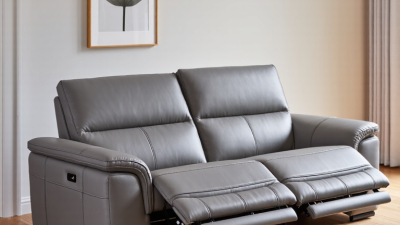
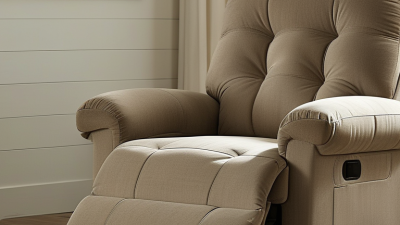
High leg recliners have found a place in living rooms where comfort and a lighter visual profile both matter. Their raised frames expose more floor, making a room feel less crowded and vacuuming underneath easier. The elevated seat can also make sitting down and standing up feel more natural for some buyers. But comfort depends on the person, not just the chair’s silhouette.
William Morris, the British designer and writer, offered a useful standard for furniture: “Have nothing in your houses that you do not know to be useful, or believe to be beautiful.” His words were not about recliners, but they capture their appeal. A well-chosen high leg recliner can look like a tailored accent chair while offering a reclining position for reading or resting. Small details matter: the seat height, arm shape, fabric texture, and the space needed behind the backrest. Measure before buying.
Looks can mislead. A sleek chair may have a firm seat, and a compact frame may still need room to recline. Buyers should check the mechanism, upholstery care instructions, and return terms, rather than relying on photographs alone. These details are easy to miss. In this guide, we’ll explore why high leg recliners attract buyers, what trade-offs to consider, and how to judge whether a particular design suits your room and daily routine. Comfort is personal, and sometimes the stylish choice is not the right one.
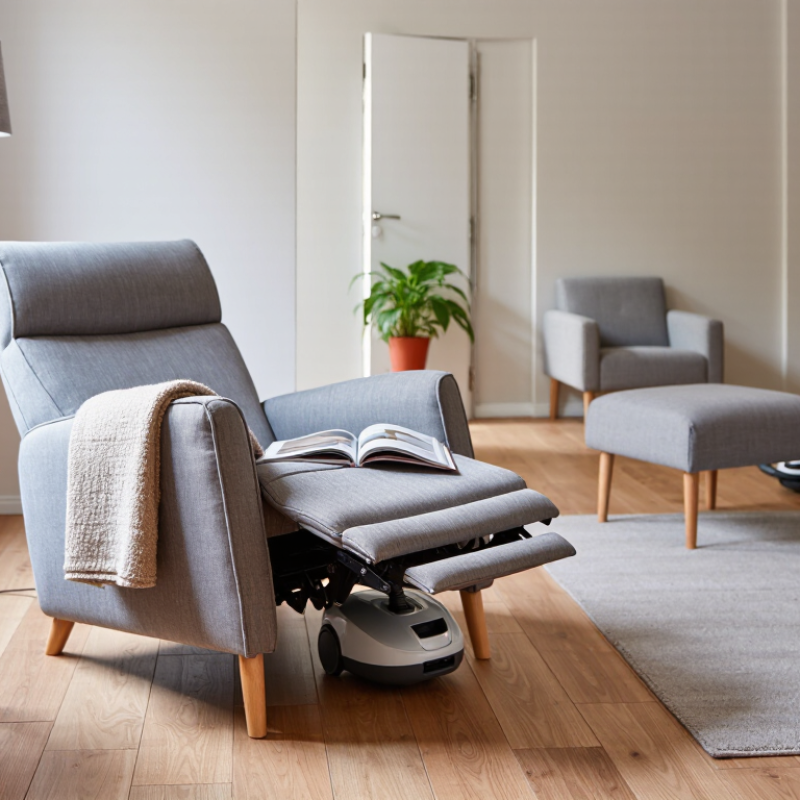
A high-leg recliner is a reclining chair with visible legs that lift its seat above the floor, giving it the outline of a conventional armchair. Its reclining mechanism is usually concealed beneath the seat. Many models use a manual lever or power controls, while the raised base can make vacuuming beneath the chair easier. The term is not fully standardized, though. Leg height, seat height, and reclining range vary by model, so “high-leg” alone does not guarantee easier standing or better support.
Dimensions matter. Check whether your feet rest flat when seated, and whether the seat edge presses behind your knees.
AARP’s 2021 Home and Community Preferences Survey found that 77% of adults aged 50 and older hoped to remain in their homes as they aged; that preference does not mean every person needs a recliner. The U.S. Census Bureau’s 2023 population estimates put adults aged 65 and older at 17.7% of the U.S. population, adding context for the demand for adaptable seating.
Still, measurements beat labels. Sit in the chair, test the footrest, and notice how much floor space it needs when fully reclined.

High-leg recliners raise the seat above the floor, which can make sitting down and standing up feel less strenuous for some people. A higher seat may reduce how far the knees and hips need to bend, while firm armrests offer a steady place to push from.
The difference is practical. After a long day, that small lift can make getting upright feel less like a squat.
Fit still matters. When seated, a person’s feet should rest comfortably on the floor, with the seat edge not pressing sharply behind the knees. Check the chair’s height, depth, and armrest position before buying; a seat that is too high can leave shorter users reaching for the floor.
Measure the room, too. Raised legs can make cleaning underneath easier, but the recliner still needs clear space to open. Not every design suits every body. People with balance or mobility concerns may benefit from trying a chair in person and asking a qualified health professional for guidance. One detail is easy to overlook: a smooth footrest helps, but awkward controls can undo some of that convenience.
High-leg recliners appeal to buyers who want lounging comfort without the bulky look of a traditional recliner. Their exposed legs and cleaner outline can suit a living room with other raised furniture. Some models also tuck the reclining mechanism beneath the seat, keeping it less visible. Small rooms may feel less crowded, though the chair still needs space to recline.
Different features matter to different people. A higher seat can make sitting down and standing up easier for some buyers, but seat height alone does not guarantee a comfortable fit. Check the seat depth and arm height, too. Taller users may value a longer footrest, while shorter users often need their feet to rest securely when seated. That detail is easy to miss. Parents may prefer durable, wipeable upholstery; readers might care more about head support and a smooth recline. Manual controls avoid a power cord, while powered models can offer more gradual positioning. Try the chair in person if possible, and check how far it extends behind the seat. The showroom pose can be misleading.
| Buyer Type | Features That May Appeal | Why They Matter | What to Check Before Buying |
|---|---|---|---|
| Style-conscious homeowners | Raised legs, visible floor space, and upholstery options that suit the room | The higher-leg profile can look more like a conventional accent chair than a bulky, floor-hugging recliner. | Check the chair’s overall dimensions, leg finish, and whether its upholstery coordinates with other furniture. |
| People furnishing smaller rooms | A compact footprint and a backrest that reclines without requiring excessive clearance | A raised frame can make the chair appear visually lighter, though it does not necessarily mean the chair takes up less floor space. | Measure the chair upright and fully reclined, including clearance from walls, tables, and walkways. |
| Buyers seeking everyday comfort | Supportive cushioning, a padded back, and an easy-to-use reclining mechanism | These features can make the chair suitable for reading, watching television, or relaxing at home. | Try the seat if possible; comfort depends on personal preference, body proportions, and cushion firmness. |
| Older adults or people with limited mobility | A stable frame, accessible controls, and a seat height that feels manageable | A suitable seat height may make sitting down and standing up more comfortable for some users. | Do not assume that a high-leg recliner provides lift assistance. Check seat height, operating effort, stability, and any specific mobility needs. |
| Households with children or pets | Durable upholstery, sturdy construction, and easy-to-clean surfaces | Everyday use can expose a chair to spills, scratches, and wear; fabric performance varies by material and finish. | Review the care instructions and ask about fabric cleaning, abrasion performance, and frame construction. |
| Buyers who prefer simpler furniture maintenance | Open space beneath the chair and accessible legs | Visible clearance can make it easier to reach the floor beneath the chair when cleaning. | Confirm that the space under the chair fits your cleaning tools and that the legs are secure and level. |
| Design-focused buyers furnishing a coordinated room | Choice of leg shape, upholstery color, and details such as piping or tufting | These options can help a recliner blend with traditional, transitional, or contemporary interiors. | Compare fabric samples and finishes in the room’s lighting, and check that the design still suits the chair’s reclined profile. |
High-leg recliners can sit comfortably in rooms where traditional bulky models feel out of place. Their raised legs reveal more floor, helping a living room appear lighter and less crowded. The visible frame also gives the chair a tailored, accent-chair look. A quiet fit.
In a reading nook, place one beside a slim floor lamp and a small side table. Leave enough space behind and in front for the reclining mechanism to move safely. Measure the chair in both upright and reclined positions; a neat appearance can be misleading if the footrest meets a coffee table. Rugs with clear borders can help define the chair’s place without making it feel isolated.
High-leg designs work with varied interiors. Upholstered neutrals can soften wood floors, while a restrained pattern may echo cushions or curtains. In a compact room, exposed legs can preserve sightlines, though the chair still needs real clearance. That is the trade-off. Some models may look more formal than a casual family space calls for, so consider fabric texture, seat scale, and nearby furniture before choosing. A small mismatch can be noticeable.
Before choosing a high-leg recliner, buyers should check how easily they can sit down and stand up. Seat height, armrest position, and footrest movement matter more than a polished showroom look. The CDC reports that more than one in four adults aged 65 and older falls each year. That figure does not measure recliner safety, but it makes stable footing and clear walking space sensible considerations. Fit matters.
Room measurements are just as important. Check the chair’s width, fully extended depth, and clearance from nearby tables or walls. A tall frame can make a room feel lighter, yet a bulky back may still crowd a small space. AARP’s 2024 Home and Community Preferences Survey found that 75% of adults aged 50 and older want to remain in their homes as long as possible. It is not a recliner-buying survey, but it underlines why comfortable, practical furniture matters at home. Test the mechanism, listen for uneven movement, and inspect seams and upholstery. A quick showroom sit is imperfect; comfort after twenty minutes may feel different.
Tips: Measure the chair in both upright and reclined positions. Try the footrest several times, and check whether your heels rest comfortably. Ask about cleaning instructions, repair support, and the weight limit. Small details count.
High-leg recliners appeal to buyers looking for a raised, more traditional furniture profile. A higher seat may also make sitting down and standing up easier for some people, but comfort and fit vary. The equal-length bars represent checklist items, not survey results or a ranking.